The peculiarity of the passing of time : Leith Ross’ new album is a time capsule of moving emotions
The Canadian singer-songwriter explores love, loss and the complexities of human emotion on their third album.
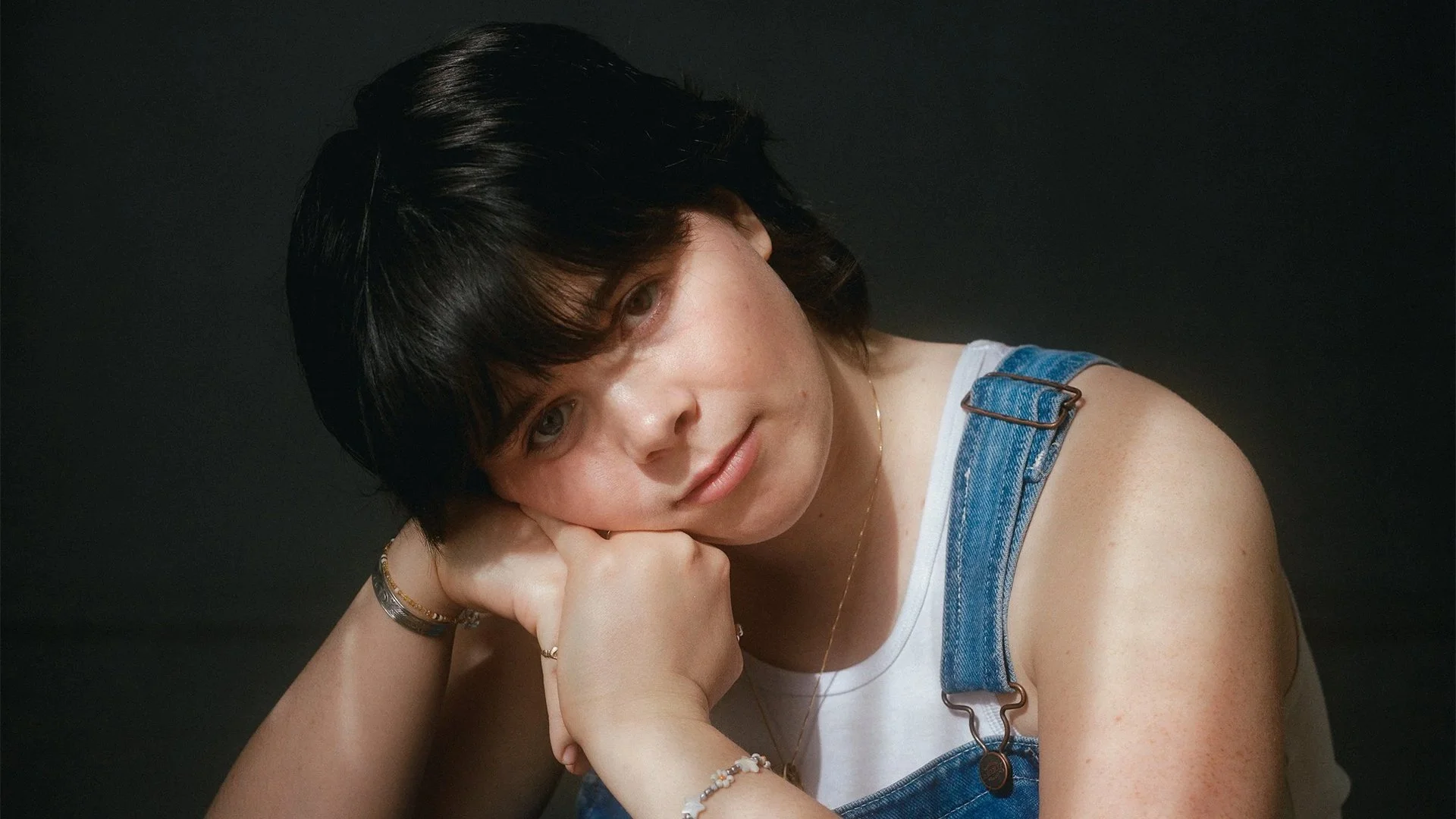
Photo: Adam Kelly
Leith Ross begins their new album I Can See The Future with the lyrics, “I never will stop grieving who we are when we are young / For my grandmother and her children / And who I never will become”. Ross has a poignant way of capturing sentimentality with a philosophical root, of all the things that have come before. Though these themes are heavy and crushing, the first song, Grieving, is decorated with a happy melody, similar to a children’s nursery rhyme or lullaby. Ross sings about the spectrum of love and grief. How they are the same thing, and with one must always arise the other. The lyric “for grief is love run backwards” twists the mourning of their past into a flower of feeling. Despite the depth that arises with sadness, the root comes from the greater feeling: love.
Standing in a place between love and loss, this lyrical journey is carried through into the second track Point of View. Ross takes us out of this deep rabbit hole of the passing of time by finding a light in those around them. “I’m too aware that I’m dying / You show me that I’m alive” is a simple lyric that balances this existentiality with romance found in others. The strumming guitar is accompanied by a lightness, where the mention of the other person flips the minor augmentation to a brighter one. This can be heard in the lyrics “I mourn too much the loss of childhood”, and the melodical flip into “I see its wonder in your eyes”. The reminiscence of childlike wonder is a common thread throughout the album, though Ross is able to savour moments of their past through present romantic relationships.
By its title alone, Treasure reveals the sentimental motifs established in the previous tracks. Ross’s soft tone whispers in sibilance in the lyric, “Savour it, sip it, it’s sweeter than sitting in with cynical stiff lip.” In the more intimate sections, the piano is played in singular notes to accompany these themes of reflection and silence. This allows the listeners to savour Ross’s poetical writing style.
In the midst of the album, Ross finds sunny ways to navigate their emotional turmoil. Lyrics like, “Where is my home? / I will find, I will find, I will find home” act as a subtle reminder of the light found at the tail end of these deep internal movements, which often feel so stuck and overwhelming. What My Love Is For is sonically warming with a richer melody against light piano. Ross answers the questions to their own longing by singing, “Oh, love, you’re what my love is for”.
This rolls into I Love Watching You Eat Dinner, I Will, and What Are You Thinking About, which are all warm reflections on the subtleties of romance. These handful of songs bear similarity to a cup of tea on a rainy autumn day, where comfort is found in the warm embrace of another, away from the cold nostalgia of the past.
The penultimate Grieving - Reprise has a melody that aligns more closely with the lyrics to the original song. This time, without the smiley innocence of childhood, the reprise is more stark in its delivery, with only a few minor guitar strums accompanying Ross’ words “I think I’ll love when I am dead / And I’ll grieve while I’m alive”.
Ross’s melancholic lens of life captures the vicissitudes of the human experience. The ripples of the past linger in their lyrics and emotive melodies, navigating a way out of this deep longing. Despite this prominence of emotional depth, Ross ends the album with (I Can See) The Future; a hopeful hand for the things to come.
In this album, we see them staring into the past, as far back as childhood, staying still in the present, with a lover, and finally looking ahead to a future, where “everything grows”, which, ultimately, is “all that we need”.
I Can See The Future is out now via Republic Records.