Mitski struggles to justify her premature transcendence to fame on ‘Nothing’s About to Happen to Me’
Identity, love and freedom all play themes on Mitski’s new record.
★★★★☆
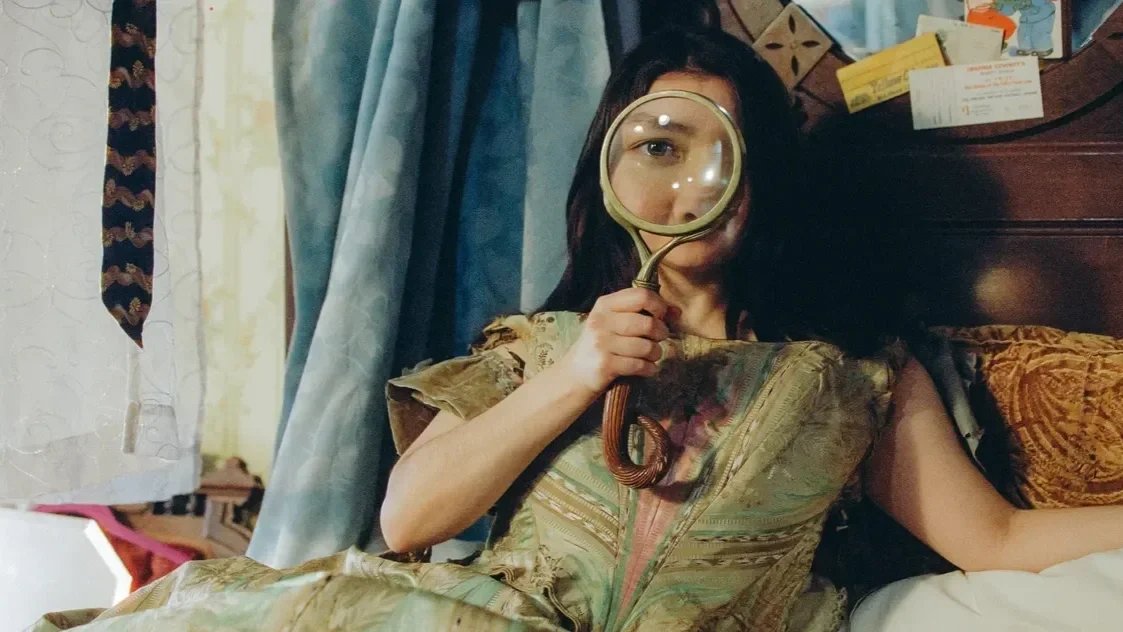
Photo: Press
Initially symbolising indie’s critically acclaimed darling of poetic sorrow and intrigue, Mitski’s unacquainted nature became possessed with online virality through the digital influence of TikTok on mainstream popularity. This enhanced visibility has ultimately led to several opportunities for Mitski, including an Oscar-nominated song and several sold-out tours.
Mitski’s same theatricality still shines on her new record, Nothing’s About to Happen to Me, immersing herself in a rich narrative of a reclusive woman trapped in this figurative house, yearning for disconnection while reckoning with the reality of her raised profile. Though this character she’s supposedly portraying may or may not be made up, the feelings of dissolution she explores are as real as it gets. Nothing’s About to Happen to Me is set to be presented in worldwide residencies across major cities, promising a mesmerising study of abstract theatrics, highly stylised in Mitski’s signature unusual movement.
In a Lake opens the record in an acoustic, minimalist manner with Mitski’s liquid smooth vocals painting a mediation on narrative control. “Where you gotta write your book early / Or it gets written up in your place” Mitski speaks on the violence of communal memory, using the lake as a metaphor for suspended existence: “In a lake you can backstroke forever / In a big city you can start over.”
Mitski relates her life to this endless static, while the ‘city’ provides a sense of anonymity, even if the idea of reinvention aches. As the track gradually builds from delicate folk to a near orchestral release, Mitski navigates through the solitude, ultimately romanticising small-town intimacy while acknowledging its suffocating permanence.
By contrast, returning single Where’s My Phone? sees Mitski slip back into the scratchy, discordant indie rock sound that defined Bury Me at Makeout Creek, promising a tinge of chaos to an otherwise mellow record. Built on fuzzed-out riffs, Mitski embodies a paranoid woman circling in her own thoughts: “Where’s my phone? / Where’d I go?” Mitski repeats this refrain until the two become merely indistinguishable. The song loops like an anxious scroll, thoughts refreshing without resolution, with Mitski being physically present yet psychologically untethered. The fuzzy guitars and emphatic vocals become synonymous with the contemporary madness of present-day culture, where overstimulation and dissociation become the norm in a world that never logs off.
Much like the opener, Mitski struggles to decide on an outlook for her life with the record seemingly thriving on contradiction, forever pivoting between defiance and surrender. On Cats, Mitski shrugs at the idea of her lover leaving, acting content with the idea of detachment.
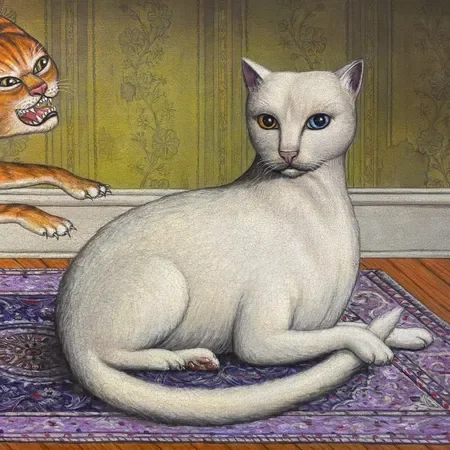
Yet, I’ll Change for You collapses this composure entirely, exposing the fragile foundation this record is built on. This plays perfectly up to the quintessential Mitski love song: bruised and desperate. Set against a smoky jazz bar aesthetic, her voice drifts into theatrical sadness, retelling a night of solidarity at a bar, drinking not for pleasure but for the excuse to justify calling her ex.
“I’ll do anything for you to love me again / If you don’t like me now / I’ll change for you” lands with a quiet devastation. In the space of a few lines, Mitski dismantles her own identity, offering to reshape herself to fit the mould of someone who has already left. The tragedy lies not just in her longing, but in her willingness to abandon every fixed part of herself in pursuit of approval.
The album ends on the metaphorical Lightning, on which she wonders, “When I die / Could I come back as rain?” The line is sung in her grim affect, but it points to wider spiritual transcendence beyond the smallness of the locked-up home. It’s undecided whether that transcendence feels like freedom or tragedy for Mitski’s narrator.
Ultimately, Nothing’s About to Happen to Me feels less like a radical departure and more like a deliberate deepening. Some may argue that the record is passive, even artistically unprogressive but, rather than chasing reinvention, she leans into what she has previously perfected, almost sharpening the blade she already wields. In a cultural moment obsessed with constant transformation, Nothing’s About to Happen to Me quietly insists that perfection, once reached, is worth inhabiting, even if it means circling the same aesthetics again and again.
Nothing’s About to Happen to Me is out now via Dead Oceans.