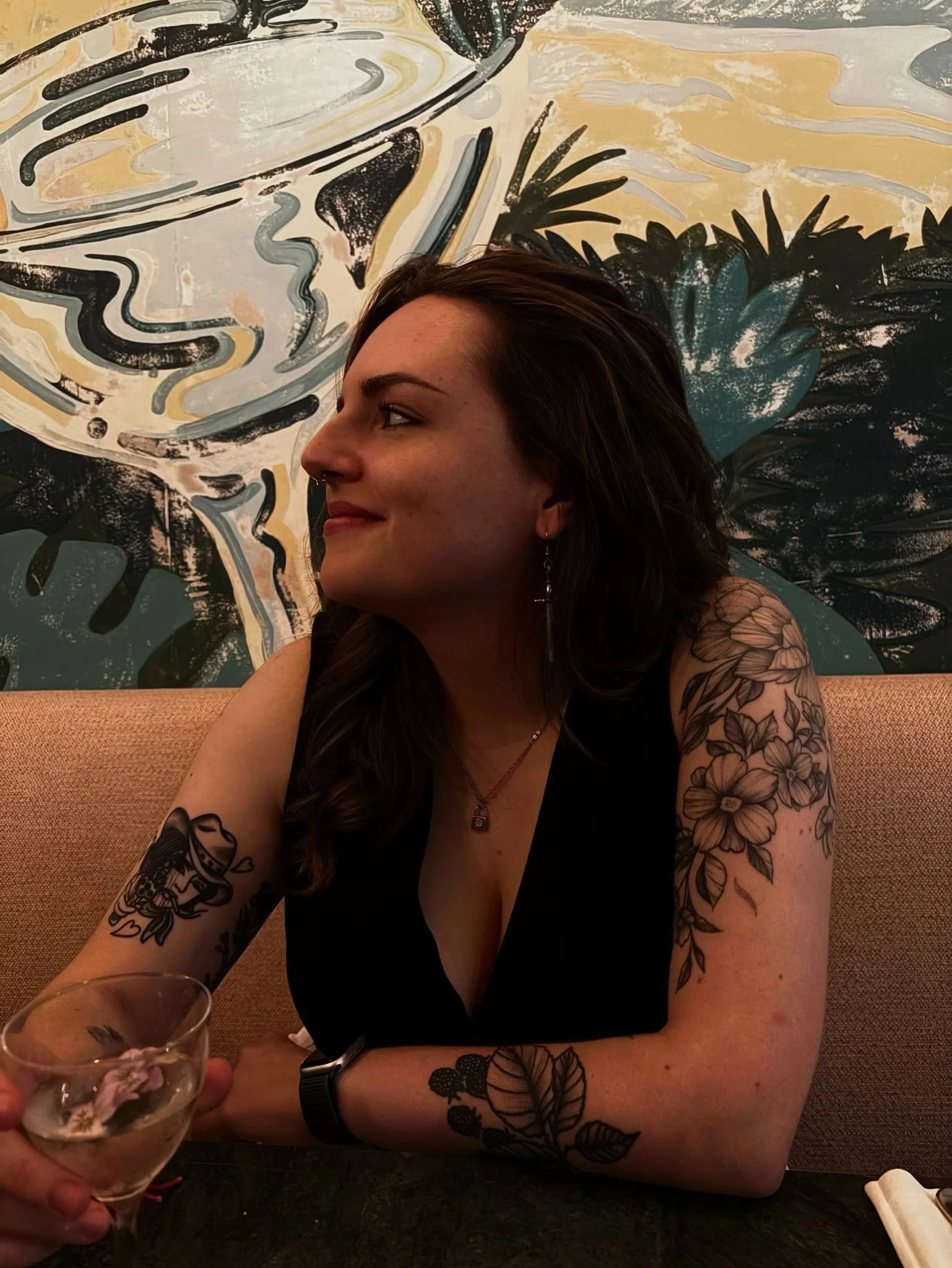
How Xana turned the worst decade of her life into the best album of yours
She wrote it alone in her bedroom, just trying to cope. Two years later, strangers are crying it back at her. Xana on the album that closed a chapter — and why she’s never felt freer.
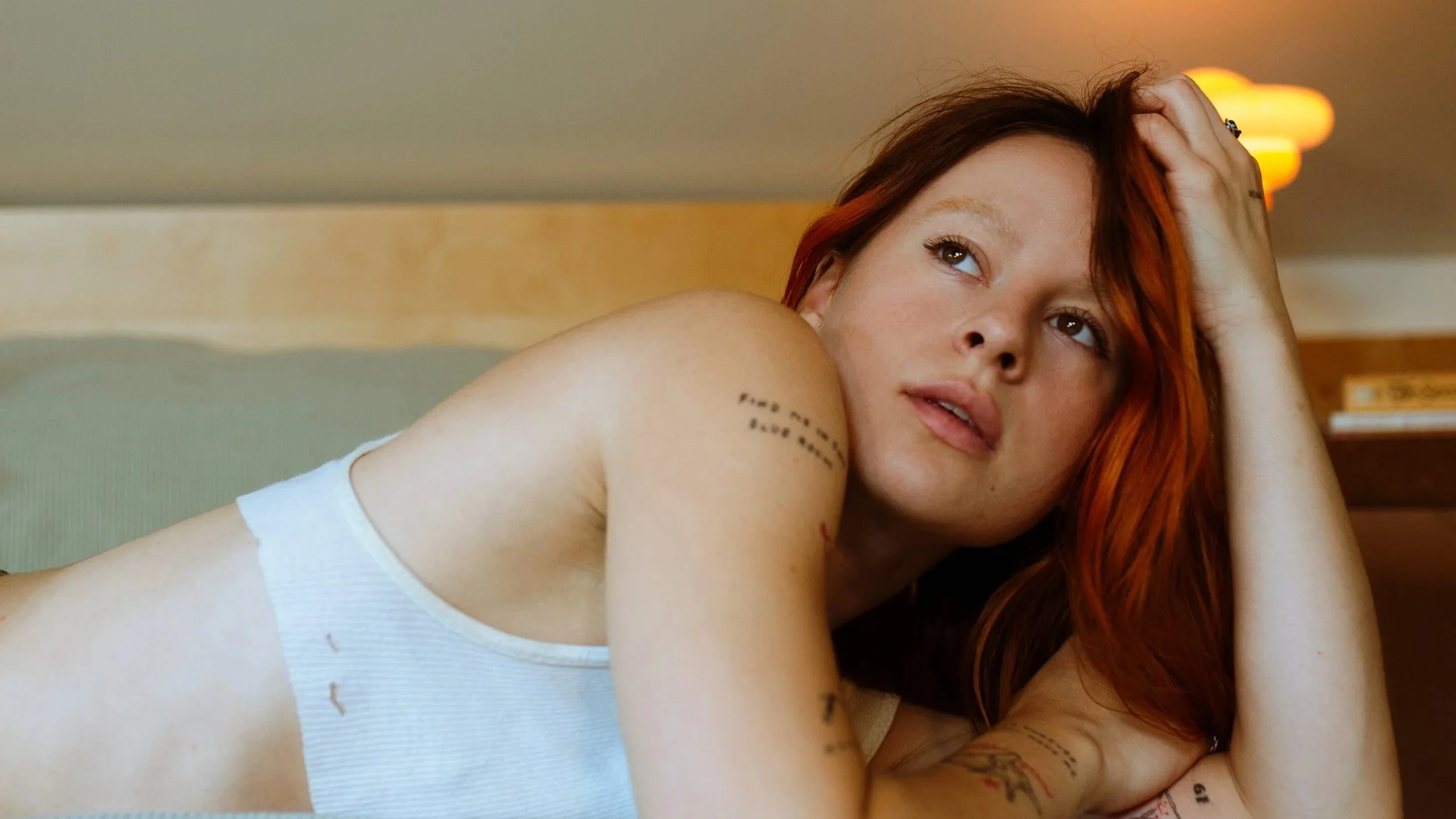
Photo: Xana
Xana’s The Sex Was Good Until It Wasn’t dropped in 2024 and landed like a gut punch wrapped in glitter. Fifteen tracks pulling apart the previous decade of her life — assault, intimacy, the quiet patterns you don’t spot until you’re old enough to look back and wince. We caught up with her — fresh off tour, rolling out of bed (in her own words) — to find out what happens when the album you needed to survive starts belonging to everyone else.
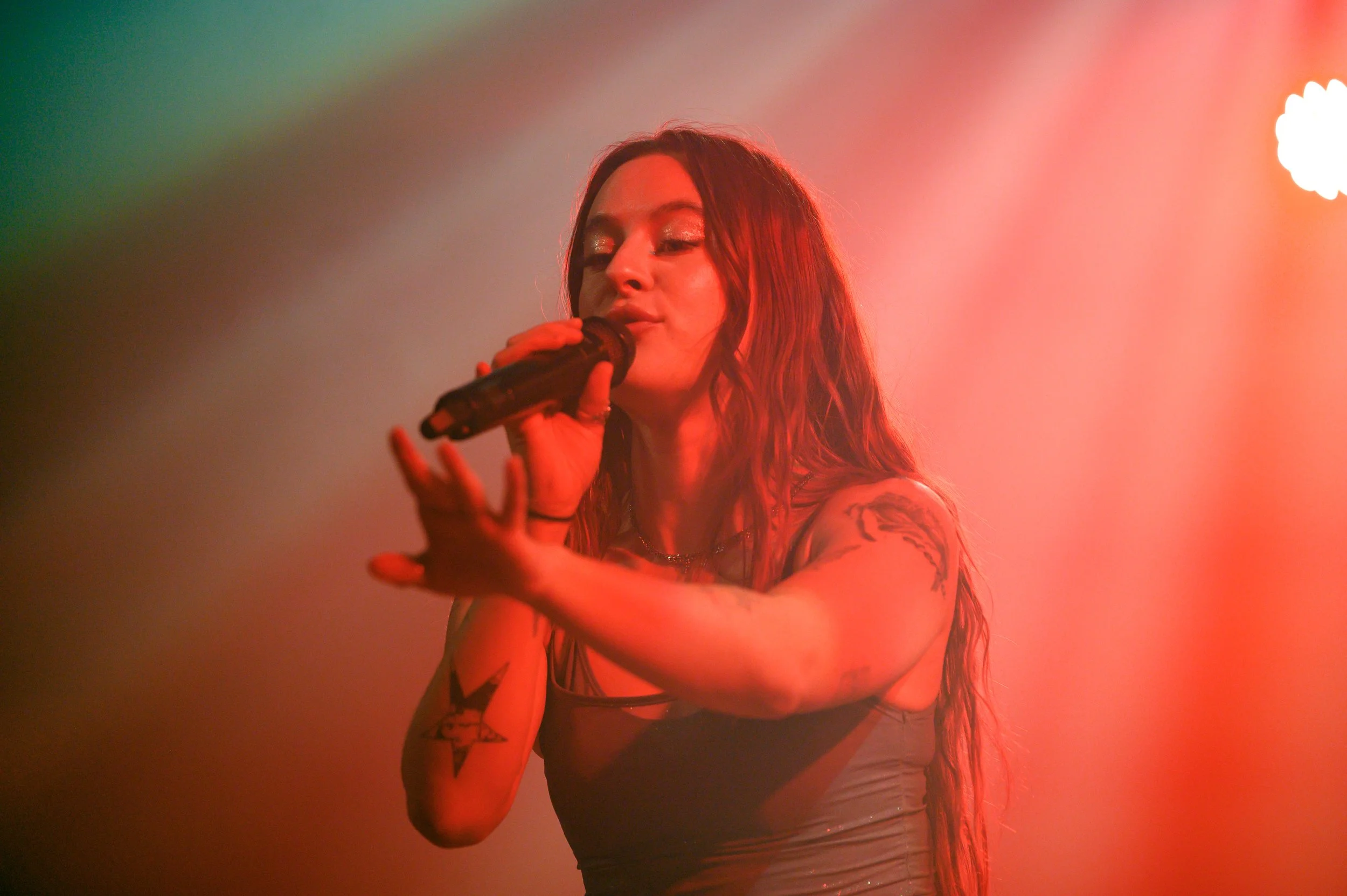
Manchester looked like one of those shows. What was it like from where you were standing?
That was one of my favourite shows we’ve ever played — like, top, top! I was so stoked about the venue upgrade, too. It just had something about it.
This record feels heavier than Tantrums — not in a way that announces itself, just like it goes somewhere deeper.
With Tantrums, it was more about relationships and breakups, figuring out my identity and my queerness, that whole journey. This one went a bit deeper into some more traumatic experiences, and how that may or may not have shaped other things that came way after — different decisions I’d make, the way I’d behave. I was really digging into my own making, trying to understand my patterns. It felt a lot more vulnerable. But very therapeutic. Very cathartic.
Did you feel more protective of it because of that?
I think I did at the start — I felt happy it was out, but still very, very strongly connected to it. Now it’s been a couple of years, I’ve sung the songs so many times, and I really do feel like I’ve moved through that chapter. Releasing it, touring it — that whole cycle — it kind of closed that chapter for me. Now I’m like, no, it’s out in the world and it means so much to so many other people. And that’s great.
The songs have shifted since being performed live, too. Sick Joke in particular — that one feels almost unrecognisable from what it must have been to write.
I used to be freaking in the walls of my own asylum with that song. Now it’s one of my favourites to play — I’m just jumping around, smiling the whole time. I don’t even think about the situation it was about. On this last tour, my sister made a comment about the experience that inspired it, and it took me a minute to follow what she was talking about. I was like — ‘oh’. I totally forgot that’s even where it started.
I just hypnotise myself. I’m like, no, Sick Joke is a fun, happy song and I love it.
There’s something in the way you talk about songwriting that goes beyond just getting feelings out — like it’s almost archival for you.
Yeah, I’ve always had this anxiety about forgetting things — memories, details, experiences. I found that songwriting really helped with that because I could sit with all the words and make everything exactly reflective of how I felt, and just perfectly curate this piece of something that totally embodies the feeling and the memory. Then I don’t have to stress about remembering it for the rest of my life because I have this thing that brings it all back instantly. It’s like a little time capsule.
Even when it’s really sad or hard things to write about, it’s like — okay, I don’t need to hold this so much anymore. I have a place I put it. And that lets everything else be a little bit clearer.
It also feels like you’re in a different place with your identity now compared to when Tantrums came out — like you’ve stopped analysing it and just settled into it.
I’ve always been confident in my queerness — ever since the very beginning, I was just like, ‘yep, sounds good, no issues’. But for a long time, what I struggled with was understanding the details of what it all meant. Exactly how did I feel, what do I call it, what do I want other people to call me, how do I want to be viewed? All of that labelling stuff. I think I’ve just reached a place now where I truly don’t think about it anymore. It just feels like breathing. We’re not thinking; it’s just there. There’s a bit more peaceful confidence in my identity now, rather than me being very loud and trying to figure out what everything means.
You’ve been pretty much independent through all of this, too — does that change the way it all feels?
I always feel so on the outside of what people think the music industry is. It really does just feel like me and my producers and my manager — and we all basically went to high school together. We’re just doing it because we can and because, for some reason, people are listening and they’re letting us. Up until this point, I feel like I’ve gotten away with just making up my own rules and doing whatever the fuck I wanted to do. Maybe that’s completely naive of me. But yeah — that’s what it’s felt like.
If someone came to you completely cold, what’s the one song you’re handing them?
Okay — 15 is probably a bit much. But I’m still really proud of it. In terms of what feels most like me, most people would probably say Complex or Goddess. But, if you asked me? Lip Service. Or Baby Blue. Those feel very authentic to me. And Crying After Sex too — I love that song. I don’t really know how a lot of people perceive it, but the way I perceive it feels very real. It’s a real showcase of my mental state at the time and my view of intimacy.
I have to come clean — 4ever is my favourite on the record. And I think it’s because I can’t relate to the rest of the album the way I used to. Like, I’m in a good place. The yearning songs don’t quite land the same anymore. But 4ever just makes me feel like — yeah, I love my girls.
That makes me so happy. That’s huge. Congratulations — that means you’re healed.
It feels so specific — that exact kind of girlhood. Getting ready together, music too loud, everyone talking over each other.
Completely. And I think that’s why it hits — because it’s not really about a relationship in the traditional sense. It’s about loving your friends. That blurred line where it’s platonic but also… not far off something else. Especially in queer friendships, there’s often that overlap. Those relationships can be just as intense, if not more. And they’re the ones that stick.
Was there a crazy story from that house you could leave us with before we go?
We were a house full of insane girls — there was always something happening. So many twerking parties in the kitchen. I’m pretty sure the Spotify canvas for 4ever is from one of those nights. We were only supposed to be there a few months and ended up staying a year. It was kind of a falling-apart house that had clearly lived so many lives. It felt really special that we got to end that era of it — all four of us together.
Last one. 16-year-old Xana — what shocks her most?
The music thing? She’d be like, well, yeah. That was always the plan, ever since you were five years old. I think she’d think I was super cool and badass. But that I’m gay? She’d be like — ‘Wait. You kiss girls? What do you mean? Wait, what?’
I thought I was boy-crazy. But I realised my choice in boys was basically just my choice in women and I didn’t know it yet. My friends would tell me — I think you just like these hockey boys because they kind of look like girls. And I was like, ‘What are you talking about? Absolutely not’.
A hockey girl, though? God forbid. I would go crazy. I would turn into an insane person. I’m just a girl, y’know?
Xana’s mix of vulnerability, humour and total refusal to play by anyone else’s rules is exactly what makes her one of the most vital queer voices in pop right now. With a deluxe album already out and shows that keep needing venue upgrades to hold more people, it’s clear the worst decade of her life made for one hell of a record — and she’s only just getting started.
The Sex Was Good Until It Wasn’t (Deluxe) is out now via Mommy Records.