Soul Comes to Town: Lucinda Williams on tour in Basingstoke
The legendary country and blues musician attempts to soothe a world gone wrong as she takes her latest album out on the road.
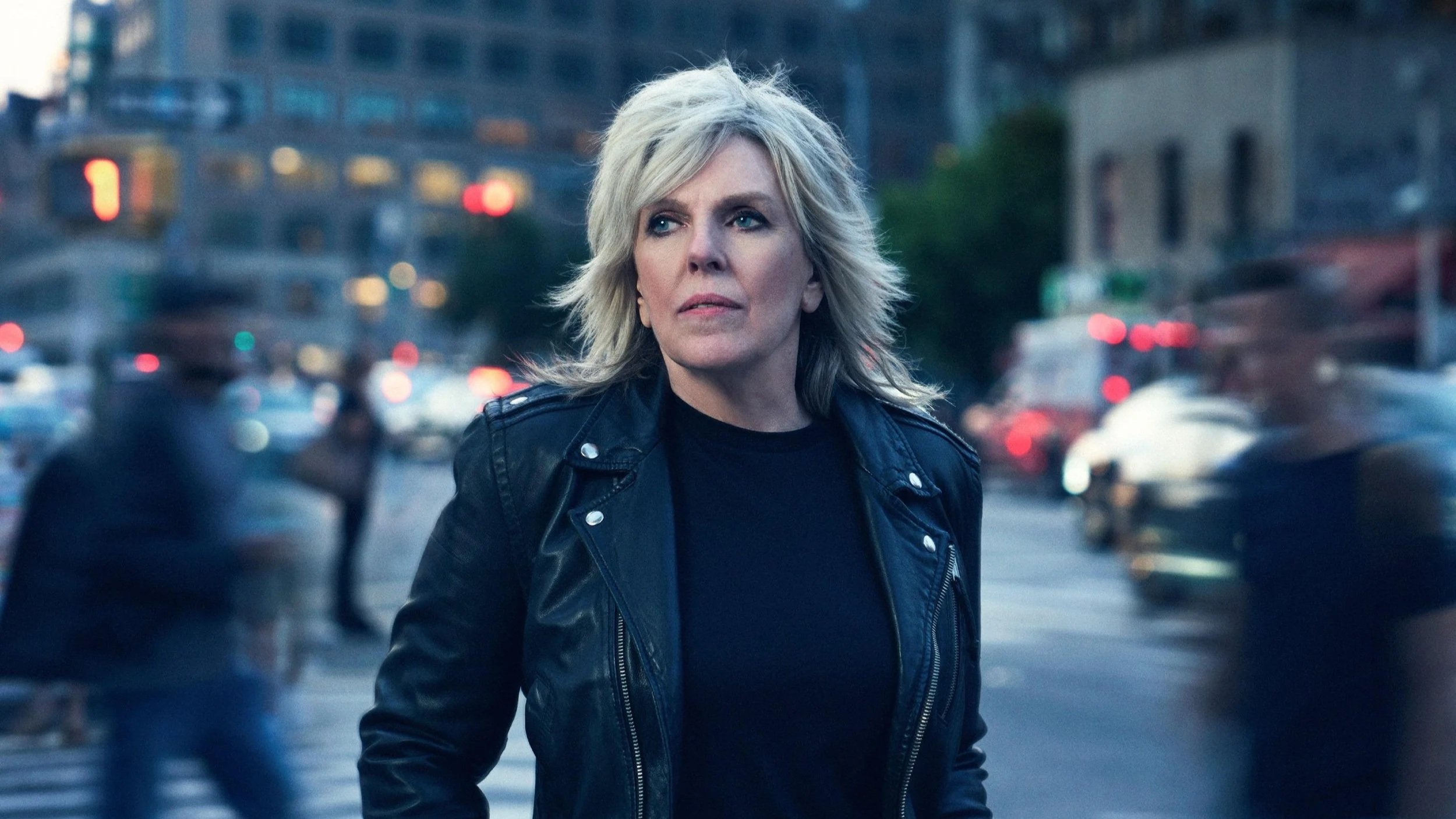
Photo: Mark Seliger
As I duck in from the cold, drizzly night air that thickens into a kind of film, coating skin and denim alike, I frantically give my name, pick up my ticket and head in through door B. A cute old lady, who some other time would regale me of legends she’s had the privilege of ticket-keeping, guides me by torchlight to my spot.
Row Q. Seat 24. I settle in, bunching myself into a ball in the corner of the chair like a cautious spider, and I see a man alone on the stage, playing the guitar and singing about his life. It’s straight out of an old western. His name is Ben de la Cour; he is exceptional, and he is our warm-up for the night.
He plays a few tracks from his latest album, 2025’s New Roses, and the room is enthralled. Hundreds of us all bunched into this magnificent hall in the heart of Basingstoke, and not a pin fell. “I’m grateful to Williams and her band, and to all of you,” he says, between tracks, “and also grateful to myself for not quitting or blowing my brains out ten years ago like I thought I would.”
“Ironically, this next song is about watching someone jump out of a window when I was ten. Some kind of quantum entanglement there.” Then de la Cour slides into the hauntingly beautiful Swan Dive, and we’re in his trance once more.
Ben de la Cour is the perfect kind of opener to a country legend like Lucinda Williams. There’s a little of the tried and true drawl and jangle, but also a look at the bitter underbelly of society — death, drugs, suicide — that Williams herself has grappled with more than once on the lyric sheet.
And there really is a fair amount of death in the main set. When Lucinda Williams — three-time Grammy award winner and visionary behind some of Americana’s most celebrated albums — takes the stage, she doesn’t sugarcoat it. World Without Tears, from the 2003 record of the same name, deals with war and abuse. The World’s Gone Wrong, the title track from Williams’ latest endeavour, makes no bones about the musician’s view on the political landscape.
Pineola, off 1992’s Sweet Old World, is a resolute country rock number about a friend of Williams, a poet, who committed suicide. 1998’s ‘Lake Charles’ is about a former boyfriend, a hellraiser, who was born in Texas but “liked to tell everybody / He was from Lake Charles”. Drunken Angel, from the same album, pays tribute to fellow songwriter Blaze Foley, who was shot in 1989 during a drunken fight.
But as Williams reminded us onstage that night, “The lyrics might be dark. But I try to balance it with an upbeat song.” And she couldn’t be more right. This wasn’t a midnight mass, some slow-burning memorial to loved ones lost. The tracks were pure Americana, smothered in blues and wrapped up in crunchy, grooving riffs.
A roaring cover of Bob Marley and the Wailers’ So Much Trouble in the World and Black Tearswere excellent set pieces, while You Can’t Rule Me (dedicated to a certain Mr Trump) and How Much Did You Get for Your Soul? offered vitriol and revolution, not eulogies. Williams poured venom into every barbed verse; age hasn’t let up on the musician’s zealousness.
Changed the Locks — later covered by Tom Petty & the Heartbreakers — sounded desperate, in all the best ways. It wasn’t some cool farewell to love; it was full of regret and anger and longing. Righteously, meanwhile, dripped with the same unbridled, sweet-as-whisky lust of William’s original version back in ‘03.
After a short break, Williams and the rest of her group returned to the stage to rattle through Skip James’ Hard Time Killin’ Floor Blues and Joy. The night ended on another cover, Rockin’ in the Free World, which — though falling short of the untouchable anger of the original — filled the hall with stomps and claps, the stuff of an evangelical awakening.
It was a night that took us across the ocean and down South, to chattering bayous and jazz-fuelled dive bars. Williams played the true-to-life cowboy, serenading the crowd with tales of long-haired hellraisers, Boudin (a Louisiana dish) and a guy who made “a mean bowl of gumbo.” Each track could have played wistfully from the jukebox in a bar full of coulda-beens. Indeed, Low Life — another cut from her latest — came to Williams when she tried to imagine that kind of place.
The set reminded me of when I saw Lindsey Buckingham at the London Palladium back in 2022. Not just because, like Buckingham, a lot of Williams’ work relies on delicate string-work and the nuance of a long and charmed life, but because I knew, the moment Williams walked out, I was in the presence of a true, living legend. The hour that came after was just a Michelin-starred dessert.