Øya Festival: A Northern Light in Festival Culture
The Cure, Nick Cave & The Bad Seeds, sombr and Dagny headline this Norwegian classic.
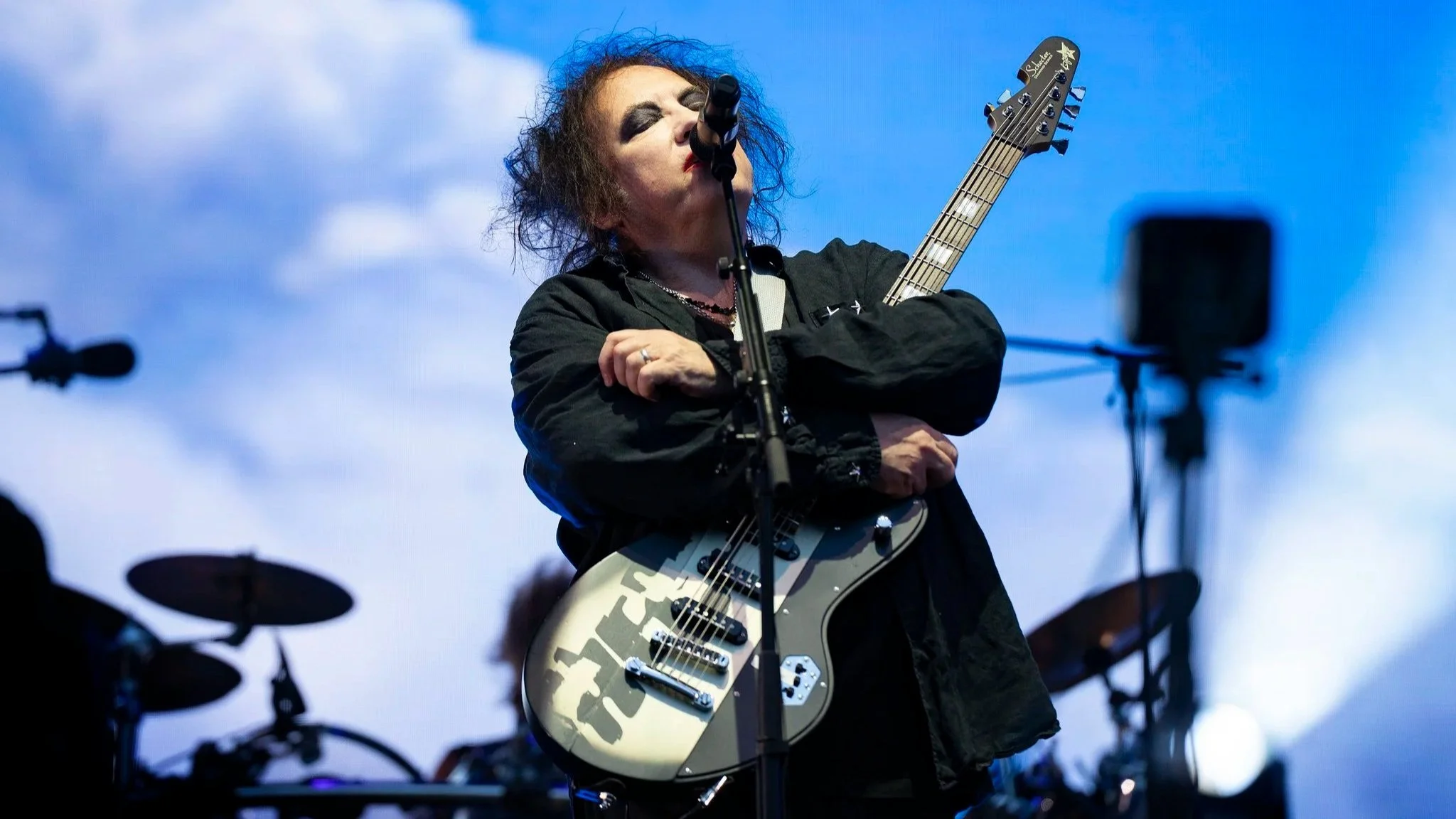
Photo: The Cure by Pål Bellis / Øyafestivalen
Tøyen Park’s canopied landscape and tiered terrain make it the ideal spot for eclipse-induced blindness, diverse musical offerings and well-priced pints: otherwise known as Øya Festival.
Starting in the late ‘90s as a modest gathering showcasing local talent soon turned into, not only Norway’s most influential outdoor music event, but a leading force on sustainability and representation within festival culture. From 98% of attendees taking sustainable transport choices, to splitting demographics with genre-spanning acts and partnerships with initiatives fundraising international aid, Øya has undoubtedly been ahead of the curve since its 2003 pledge.
In a year with Glastonbury absent, Primavera Barcelona experiencing unforeseen disruption and British festival prices at an all-time high, the appeal of chasing the unfamiliar turns northwards, with Øya emerging as a prime example of the Northern Hemisphere’s evolving festival culture.
Promising to please all demographics, Øya pledges that every lineup should share a split appearance between global names whilst sticking to its roots and weaving local artists throughout the festival programme before reserving its final night headline slot for homegrown talent.
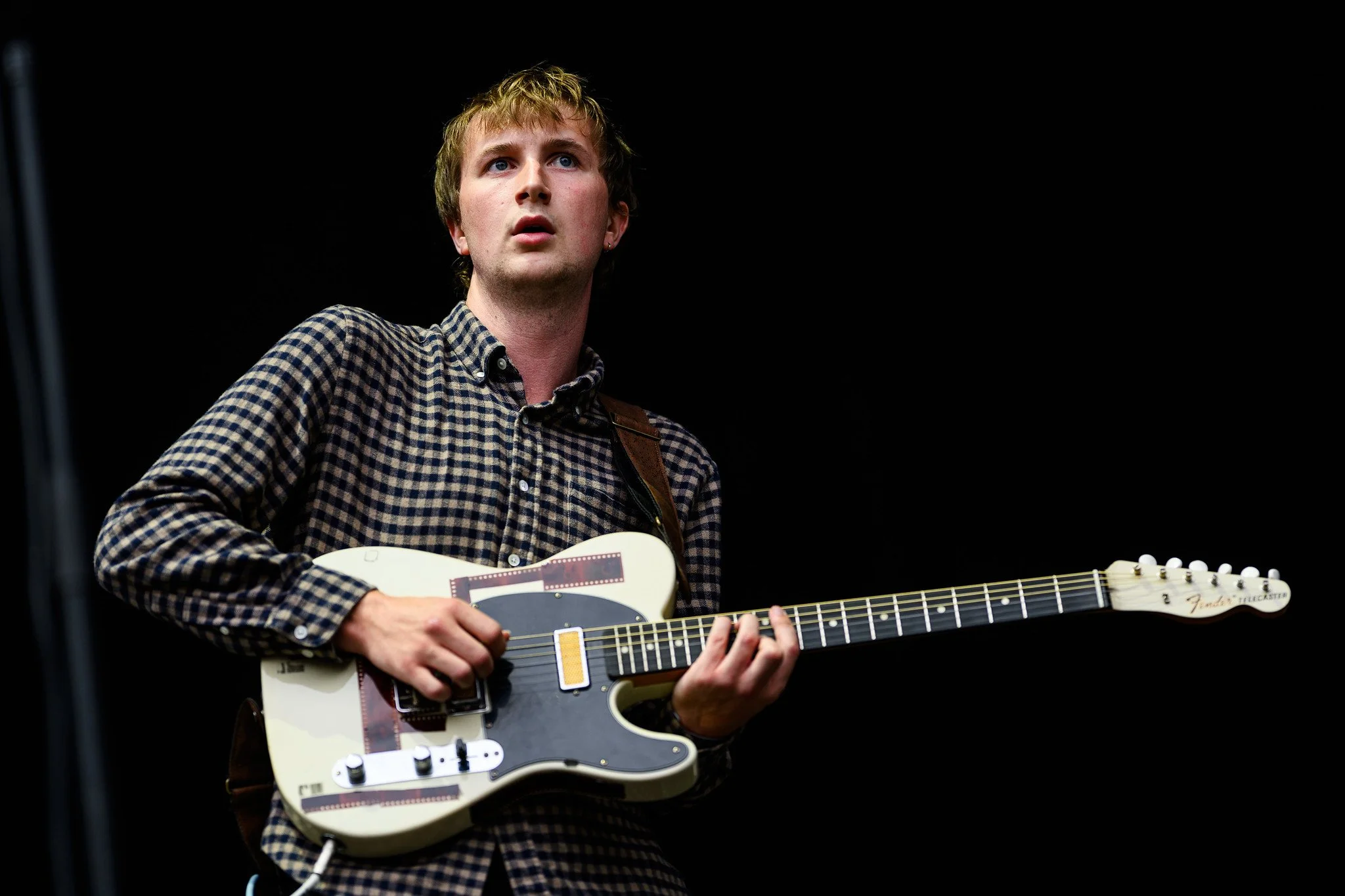
Photo: Dove Ellis by Johannes Granseth / Øyafestivalen
The opening night revealed a mix of rock prospects and established punk acts like Amyl and the Sniffers and headliners The Cure. Mercury Prize nominee Dove Ellis debuted his first appearance in Norway with Thom Yorke-esque vocal delivery and songs sounding so much older than their years. This fervour around the indie-folk artist is nothing new. It’s been building since he broke through last year with the singles To The Sandals, Pale Song, and especially Love Is. Support slots with Geese brought further exposure before debut album Blizzard arrived in late 2025, cementing him as a bona fide one to watch.
Amyl and the Sniffers appear next, demanding the rules of every show’s etiquette: “If anyone falls down, you help them up. Don’t touch anyone who doesn’t want to be touched. Let’s get rowdy!” The show was predominantly built off their last album, with tracks like Do It Do It and Big Dreams highlighting the balance between light and dark moments in Cartoon Darkness amidst the loud, brash guitar and fast drums. Every single song is greeted with an echo of noise that makes you realise just how loved this band are.
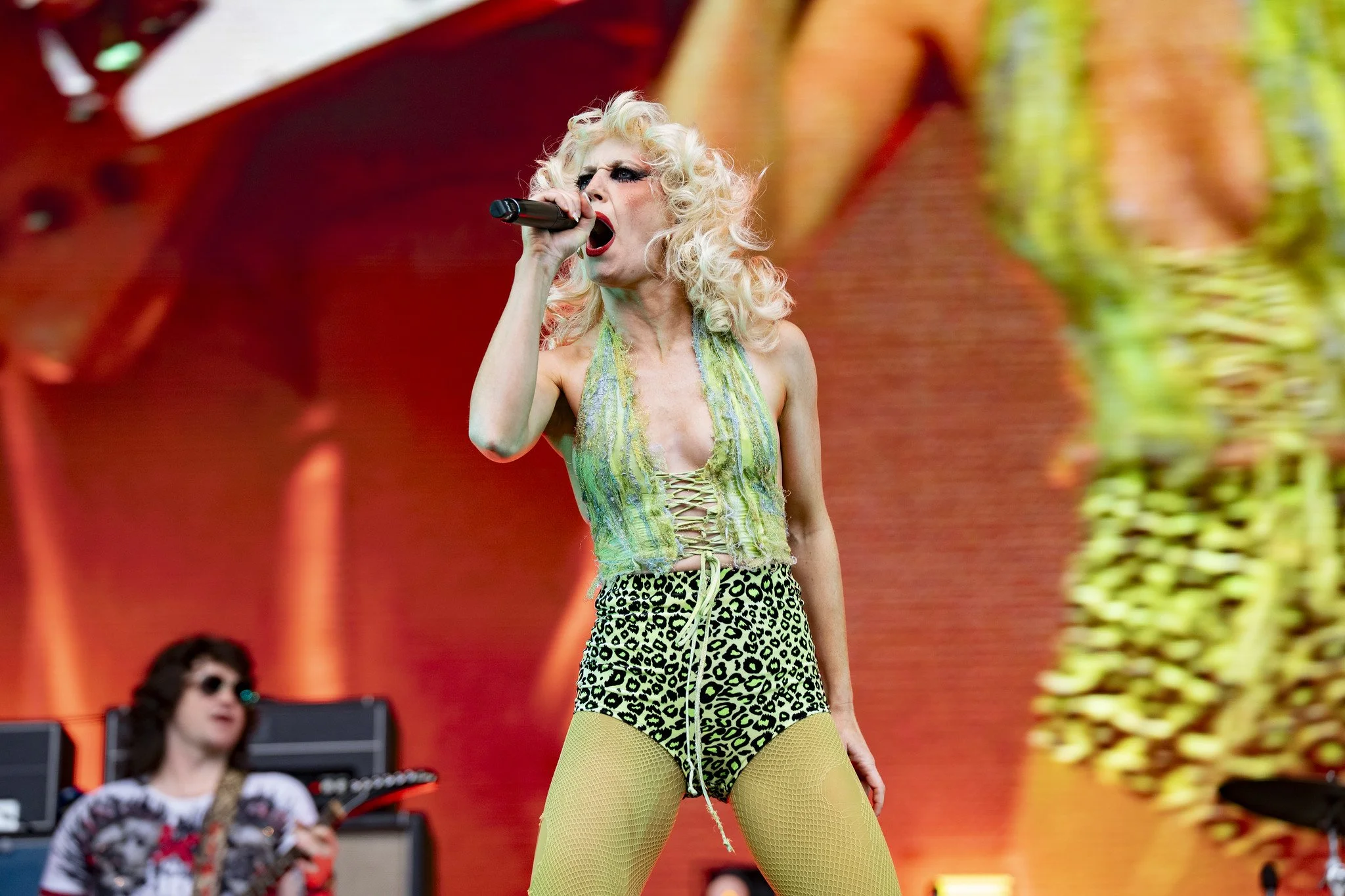
Photo: Amyl and the Sniffers by Pål Bellis / Øyafestivalen
Despite the well-gossiped buzz of the solar eclipse, any recollection of the phenomenon was hindered by Oklou’s entrancing cinematic electronic pop show inside Øya’s Sirkus tent stage. Oklou’s return to Oslo is a gratifying one, and one that submerges the audience into her sonic landscape.
Ten-pound pints grabbed and a centre stage spot snatched, all preparations for The Cure’s two-hour set were fulfilled. The band’s elongated intro to Alone allowed gazers to fully immerse themselves in this experience as Robert Smith clasped his hands together, awkwardly staring into what seemed like possibly all attendees of the festival. Despite his status as one of the most recognisable figures in alternative music, Smith appeared remarkably modest and approachable. There is something deeply sympathetic about the way he performs. He does not demand admiration or attempt to appear larger than the songs. Instead, he allows the music to speak and seems genuinely touched by the affection coming back from the audience, even shedding a tear post-Just Like Heaven.
If day one proved anything, it was that the bar had already been raised for the days to follow, and they sure didn’t disappoint. The moments to see a true rising talent rarely come around, with Geese steadily rising as the newly proclaimed American saviours of rock ‘n’ roll. The rickety percussion of Husbands lays a typically unsteady groove for that distinct voice, affectedly blurring strength and smoothness in a way that wobbles the knees. It’s the start of an expertly built set. Geese are a ‘new’ band to many, but they deploy their experience tonight in what feels like a natural gift to them.
Then came the typical festival obstacle: set clashes. A scheduling clash between Nick Cave and Blood Orange presented the festival’s most difficult dilemma: who do you choose when neither can be missed? The answer was, inevitably, both. Splitting time between the two sets meant sacrificing portions of Nick Cave’s performance, but with Cave and Blood Orange proving too good to pass up, compromise was the only option.
The Friday paved the way for young talent, with Ninajjrachi’s entire set firmly rooted in the EDM sounds of the 2000s whilst showcasing a fresh, contemporary edge to the Y2K-inspired electronic revival sweeping through the music scene.
sombr’s lightning-fast ascent to the top of the lineup reflects just how quickly his music has connected with audiences around the world, and the Øya crowd turned up in masses to witness his debut performance in Norway. Finishing by closing out his first Øya headline slot with his two biggest hits to date, sending the crowd to ecstatic heights with an elongated version of back to friends before dropping 12 to 12 not once but twice. The audience’s enthusiasm for the track only grew the second time around. On paper, playing the same song on repeat might seem like a cop-out but, in reality, sombr proved it can be an effective little trick.
I can’t think of a better way to close out a perfect week in Oslo than hearing global youth anthem Born Slippy. That familiar kick drum fills the hall, accompanied by a kaleidoscopic set of lights. It is almost a visual metaphor for the scope of Underworld’s back catalogue and what they have gifted to the crowd this evening. As the drum stops rolling, so do the lights, and there is a genuine sense of elation throughout the crowd of 18-year-olds and 58-year-olds all unanimously coming to the agreement that Underworld proved to be the ideal festival closer.
For all its global reach, Øya never loses sight of what makes it different. Norwegian talent sits comfortably alongside international heavyweights, generations collide across the stages, and sustainability feels embedded rather than advertised. It was clear that Øya delivered on its promise: a festival willing to look beyond the predictable without abandoning what makes it home. In a year of uncertainty for festival culture, perhaps the answer was sitting in Tøyen Park all along.