
vegas water taxi: “I just can’t fake it”
Ahead of the release of the alt-country band’s latest album, frontman Ben Hambro spoke to us about vulnerability, wit, and growing up.
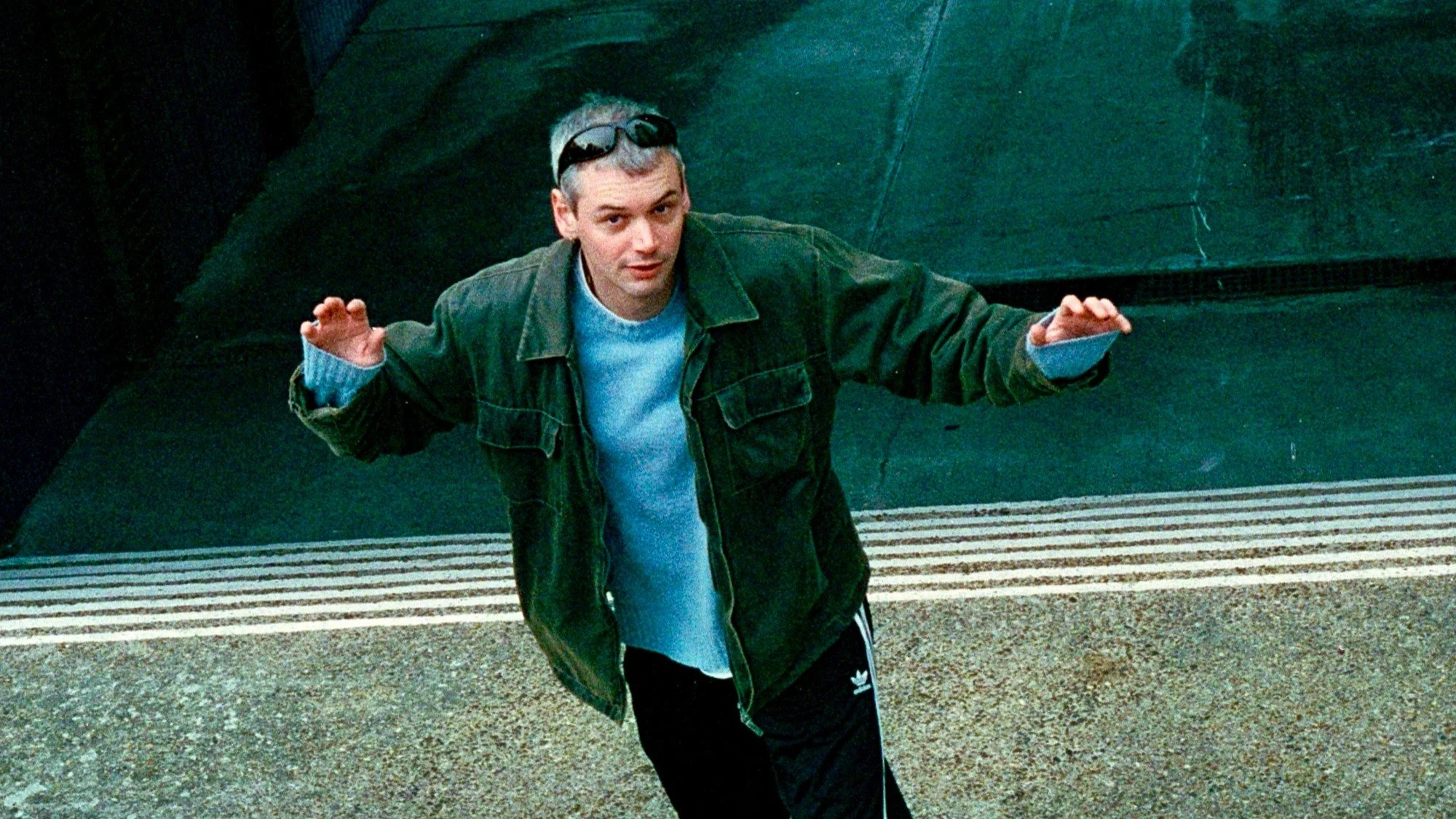
Photo: Holly Whitaker
After performing under the rockstar alter ego of his previous project Lazarus Kane, Ben Hambro decided to trade theatrics for something warmer and more human. Now, fronting alt-country outfit vegas water taxi, he’s shed the need for performance in favour of humour, honesty and emotional clarity. Joined by Leo Lawton (drums), Fred Lawton (bass/guitar), Charlie Meyrick (drums/guitar), and Molly Shields (backing vocals), the London-based band translate the storytelling traditions of country music into distinctly British terms. Think pedal steel meets self-deprecation and warmth meets wit.
On their latest album, long time caller, first time listener, vegas water taxi merge two companion EPs into a full-length portrait of romantic fallout and digital overwhelm, balancing sharp social commentary with bruised breakup confessionals. Ahead of its release, we spoke to Hambro about the record’s origins, the role honesty plays within it, and how it captures a defining moment of growing up.
long time caller and first time listener are separate EPs but are soon to exist as a single album, how did that idea come about?
I did actually write it as one album. It’s quite an interesting experiment in how people listen to albums now, and whether they matter. I think they matter, but it’s been funny to see that the album’s coming out on Friday, and there’s one song that’s not being released on it. I was like, ‘Why am I doing this?’ But then I got the records and the artwork, and it’s about the package at the end of the day. It’s an interesting experience to be like, ‘Can we literally waterfall release this to give people a taste of it up until release day?’
Do you think combining the two EPs changes how listeners might hear the songs or the story they’re telling?
I think just because of when I was writing those songs, the first half is much more personal and more breakup-focused songs, whereas the songs off the second EP are a bit more social commentary. Confusingly, on the album version, they’re mixed up entirely, but there’s a bit of both in each. There's a Venn diagram between the two. I don’t know if it’ll affect the way people listen to it. It's just nice for all the versions to exist if people want to dip into them.
long time caller, first time listener is such a sharp, memorable phrase. When did it click that this was the spine of the project?
I wanted something that would link the two [EPs] so they could be separate from each other, and I always liked that phrase (it’s obviously flipped). I spoke with Charlie and Fred, who are also in the band, and they liked the idea of having something that was disconnectable, but when you put it together, it made sense.
When I’m making an album, the title really is the last thing that comes, and it’s because I’m still working out what it’s about. I just thought that there was something nice about, like, long time caller. There was a period of my life where I [kept] knocking on the same door and going around in circles a bit, and then first time listener was kind of like a nice bit of a refresh. If anyone else picks that up, I’ll be absolutely amazed, but for me, it had a nice flow to it.
How important is honesty to you as a songwriter, and do you find it challenging putting that much of yourself into your songs?
It's the most interesting thing to me. How do I convey how I feel in a piece of three-and-a-half-minute alt-rock? How do I actually do that and make it sound genuine? The end goal is I want people to, hopefully, connect with these songs and take them through their whole life. That’s the music I love the most. The stuff that I found when I was 13 and still listen to now. I just can't fake it. I don’t wanna fake it for the listener. I want it to be as real as I possibly can make it. I think maybe some people find that uncomfortable. They want escapism and I get that as well, but it’s really the most important thing to me.
That’s why I use a lot of humour in my writing. That’s how I deal with struggles. There’s something about humour and honesty that kind of operates in the same emotional space. They’re very similar things in a way that I’m not qualified to put the words to. But for me, they’re the same feeling a lot of the time. There’s a vulnerability to both of them, and I think that is just how I make sense of the world.
You often wrap bleak or anxious ideas in warm, melodic songs. Is that a conscious songwriting strategy?
I think country music’s a really good vehicle for storytelling, and I think that’s why I was drawn to it when I was starting this project. I'd always been a fan of it, but I love country music in the way that you can have these unbelievably beautiful songs, sung by these people with amazing voices, and they’re about terrible, tragic things happening in their lives. I find that juxtaposition so interesting, and it’s just fun as well. I don’t want to bash out ten songs with me and an acoustic guitar whinging. Who wants to hear that? A 30-year-old man with an acoustic guitar whinging because his girlfriend left him. I mean, I’ll do it, but it’ll be fun.
I’ve always been interested in what makes the dopamine hit in a song. Is it the chords? Is it the arrangement? That's the magic I’ve always been interested in. So, every time I write these songs, I think about how I can make this the biggest dopamine hit for the listener, whilst trying to also keep it interesting and not just cheap.
You leaned into minimal takes during recording. Do you feel something gets lost when songs become too polished?
I don’t think things necessarily get lost. I actually really love electronic music. It was the first music I was into. I think it’s just that thing of don’t overthink it. I basically have a rule, which is we'll do three takes (unless something falls over). I want it to be 80% done, and then 20% will be captured in the magic of the recording moment, so it keeps everything pretty minimal. But to be honest, it’s expensive to keep going back and doing it. I think maybe on the next thing we do, it would be nice to spend a bit more time. I’m really lucky that all the musicians who play on this are fantastic musicians, and Louis Milburn, who produced it, is amazing.
Looking back on this body of work, do you feel like it represents a version of you that’s now passed?
I was kind of thinking about that the other day. It's very much a past version of me that I'm glad to have documented. It’s like a public diary of a really bad time, but hidden through metaphor. It’s just how I deal with the world; I have to get it out. The first album was me in my early 20s. This album is very much me finishing my 20s. They’re two halves of me growing up, working out how to be an adult, making a lot of mistakes, and trying to deal with that, just like anyone. I just have a strange need to put it into alt-country songs.
Do you have any ideas what you’ll write about next?
I wrote one song last year. I think it’s about Paul Mescal. I don’t really know why, but he just seems to be omnipresent. I was thinking about the concept of celebrities being in everybody’s lives all the time. It’s like weird undulations of it being this one, and then that one, and it’s like, ‘Can you just back off?’ I mean, it’s not negative about him at all. It’s just more of an interesting thing. But yeah, I’ve got some ideas. Nothing concrete at the minute. Maybe it’ll be a celebrity concept album.
I’m hoping it’s that now.
Careful what you wish for.
long time caller, first time listener is out now via PNKSLM.