
With emerging names sitting alongside more established acts, the festival’s Dalston takeover was the perfect place for music discovery.
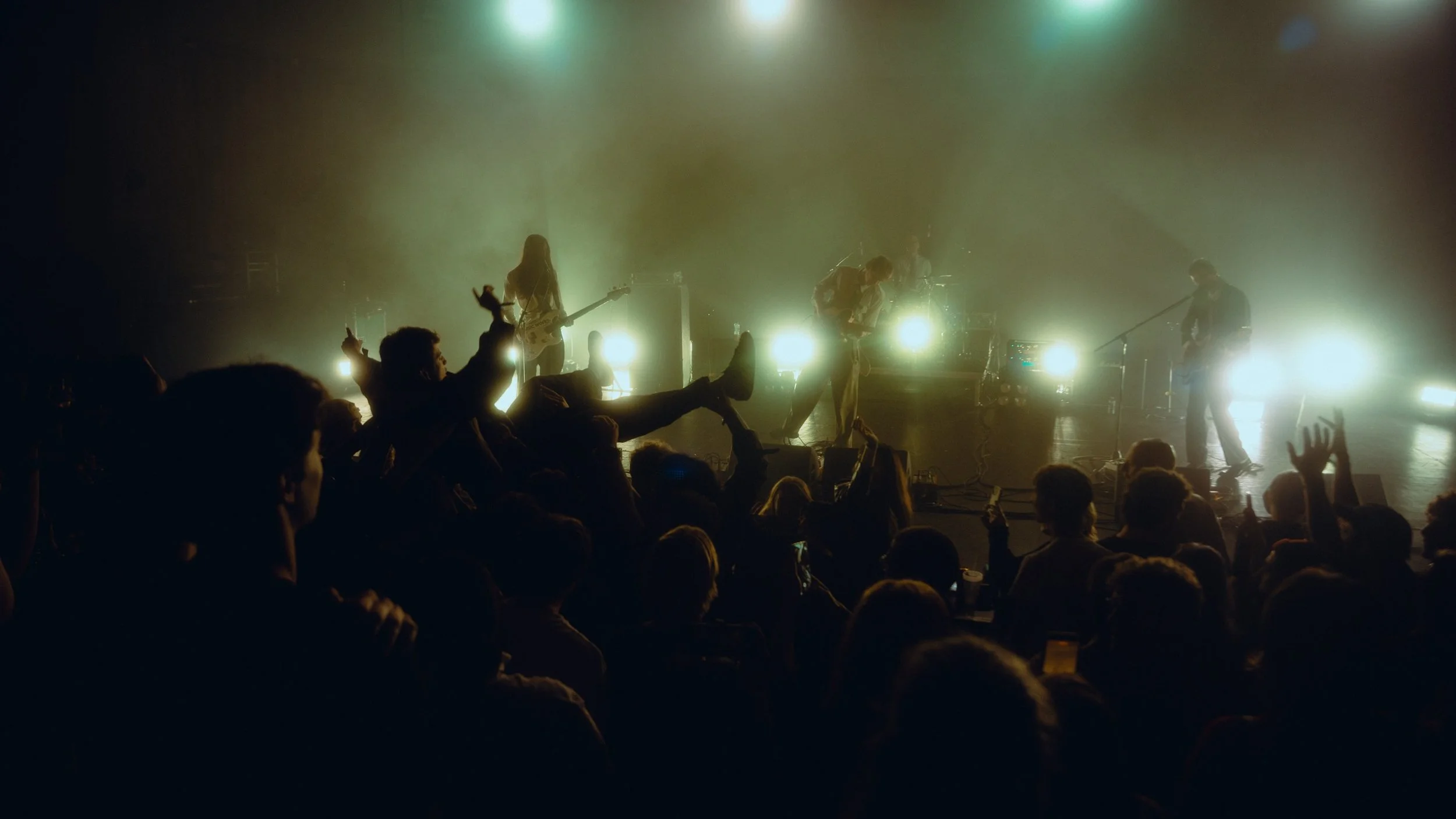
Photo: Sam Huddleston
Known for its array of multi-artist bills and carefully curated lineups, Pitchfork Music Festival returned to some of London’s best venues for a week of live music and discovery this November, celebrating artists who are pushing boundaries and taking music in exciting new directions.
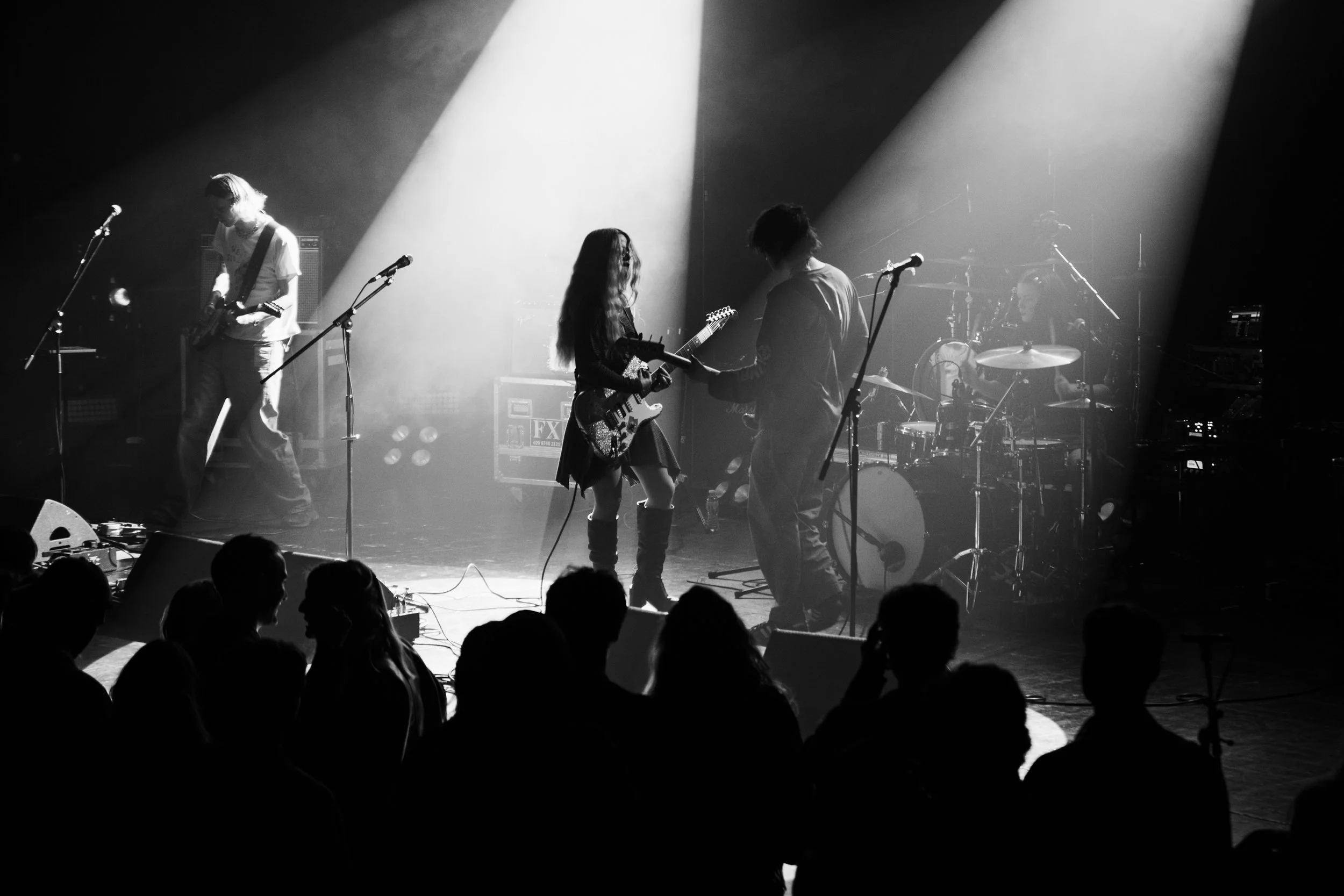
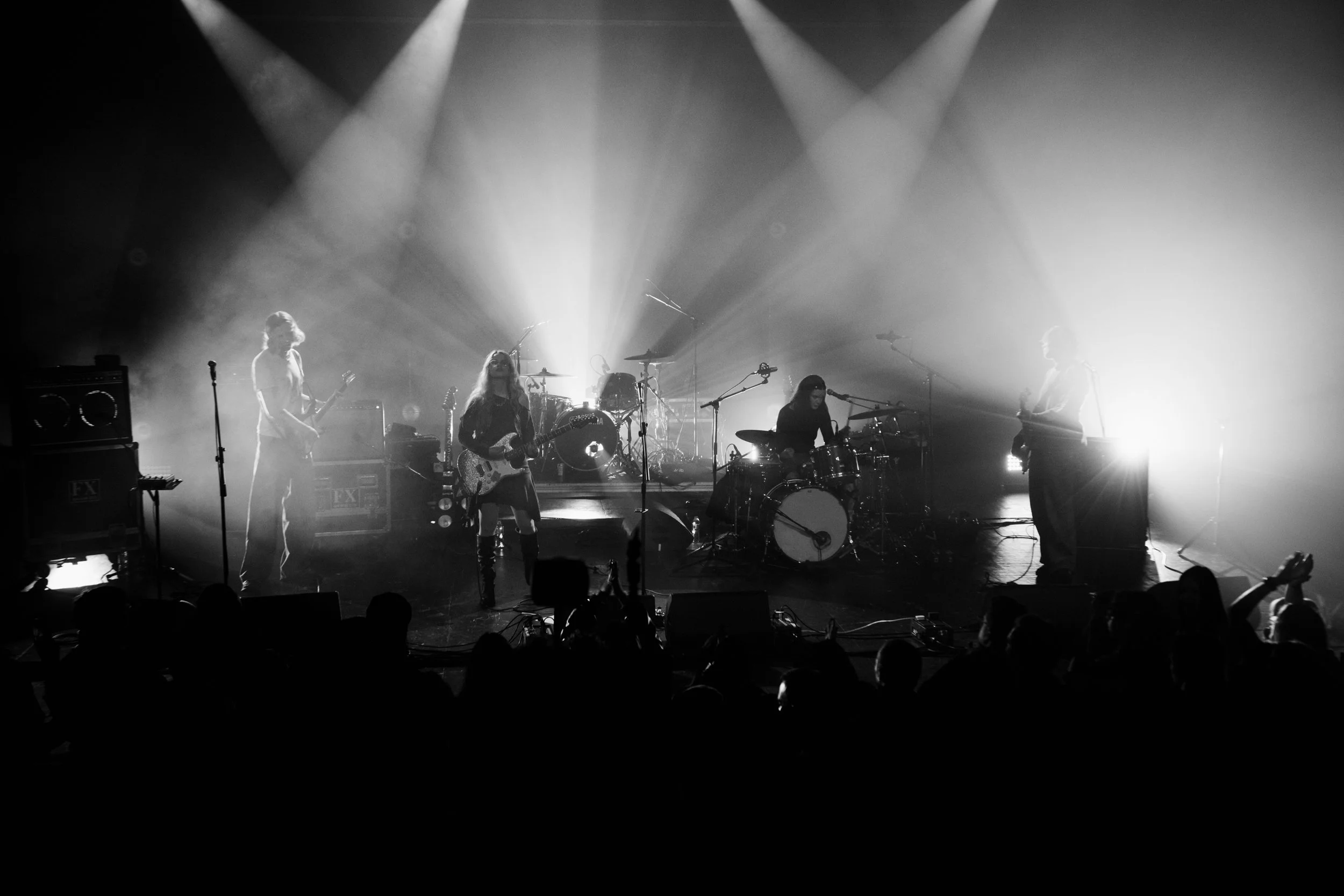
Saturday’s Dalston Takeover brought together an impressively diverse selection of acts, including DIIV, Mandy, Indiana, Psychedelic Porn Crumpets, Working Men’s Club and Swapmeet, across six performance spaces in the heart of Dalston.
From 4pm, a queue had already formed along Stoke Newington Road, with eager music fans not-so-patiently waiting to collect the wristband that would unlock access to the stages at EartH Hall & Theatre, The Victoria, Shacklewell Arms, Cafe OTO and St Matthias Church. With doors not opening until fifteen minutes before the first set was due to start, not everything ran smoothly, but the quality of the music more than made up for it.
First up was Brooklyn’s Victoryland – the solo project of Julian McCamman – in the EartH Hall. McCamman walked onto a stage bursting with saturated colour, as an LED screen flickered with pixelated glitches behind him and his band. His scrappy, emotionally charged indie rock wore its heart on its sleeve, and the energy in the room was immediate. Three guitars, a commanding vocal performance and a duo of Dublin superfans jumping up and down made for quite the introduction.
Playing tracks from his second album, My Heart Is A Room With No Cameras In It, the superfans were losing their minds, holding their cheeks in disbelief, singing every word, while those discovering him for the first time couldn’t help but smile and bop along. There was a real sense of emotional catharsis in the openness of tracks like I’ll Show You Mine, before McCamman went for broke, delivering fiery, talk-shout vocals as dazzling synths cut through fragmented guitars on I got god. It was a lovely reminder of the joy of discovering an artist live and a thrilling start to the evening.
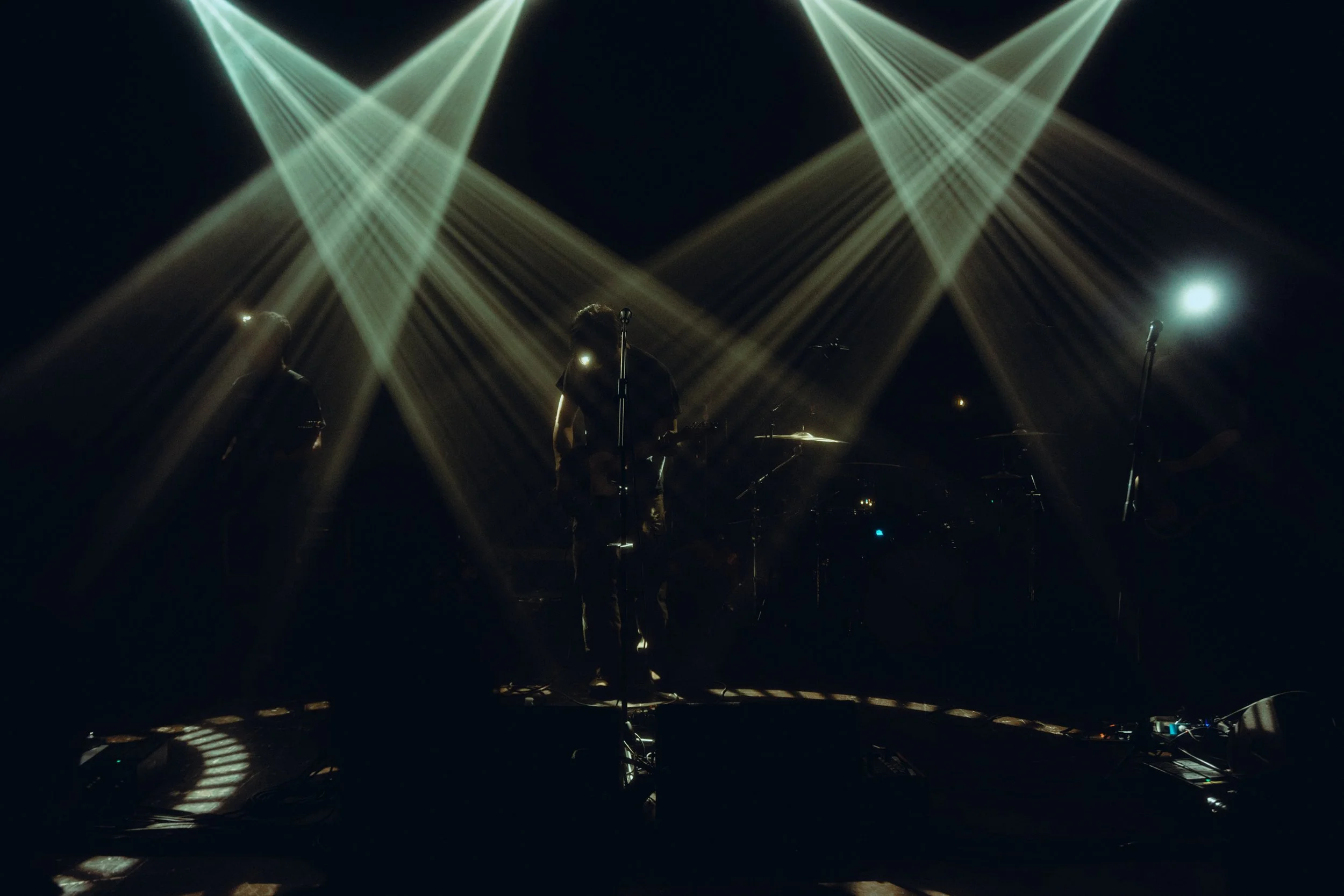
Photo: Sam Huddleston
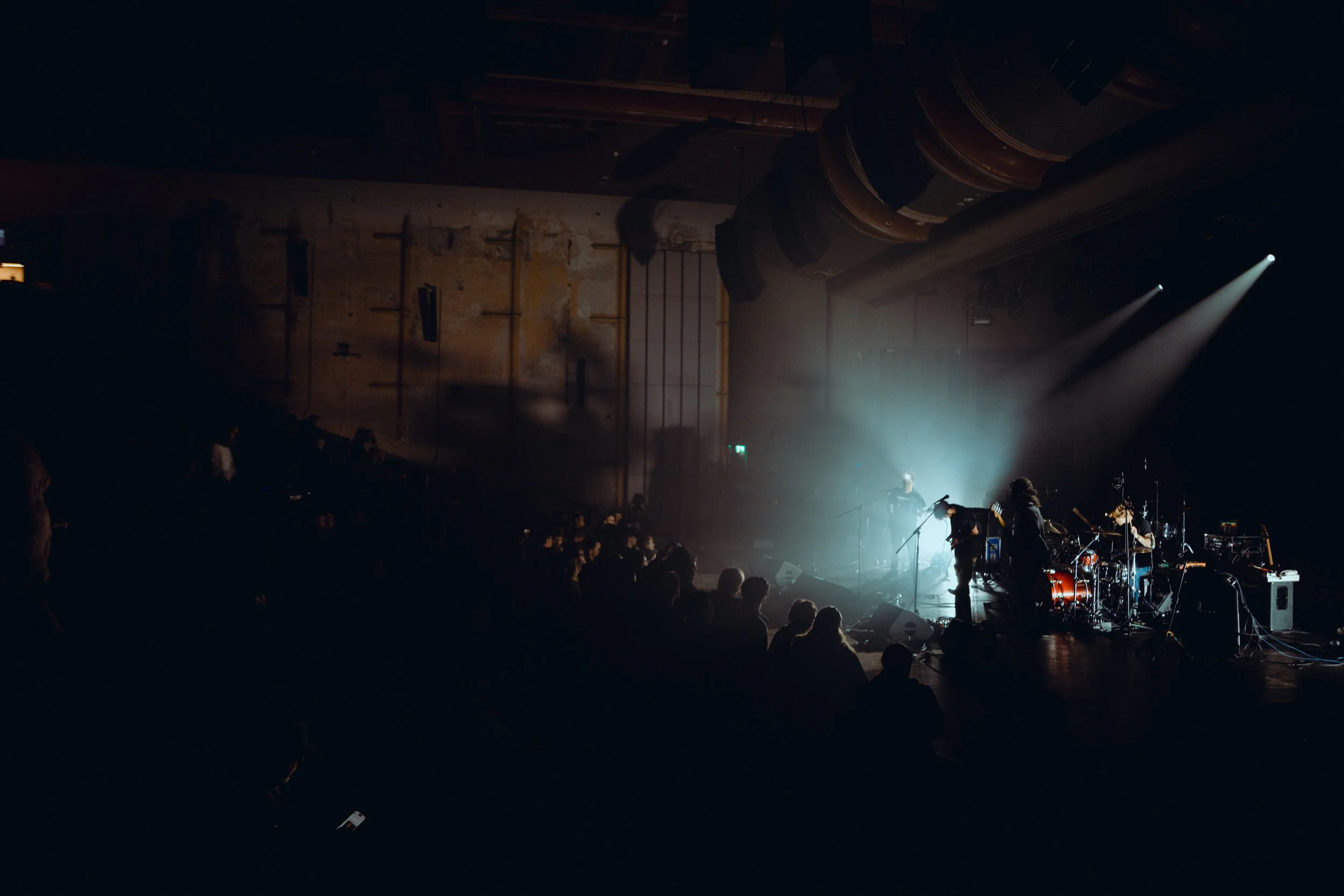
A quick loop back outside and it was up to EartH’s tiered, seated Art Deco theatre. Yet, instead of someone coming out to recite Shakespeare, as the venues theatrical surroundings might suggest, Flawed Mangoes took to the stage wearing headtorches to perform their swirling instrumental music, which has found an audience among TikTok’s ‘hopecore’ community.
Having gone viral with his guitar-loop track Killswitch Lullaby, the uplifting solo project of Evan Lo was just as captivating in person. The simple visual addition of headtorches darting about the crowd as the music unfolded added another intriguing dimension to the performance, creating an unexpectedly immersive atmosphere.
Freak Slug then offered a welcome change of pace, with hazy shoegaze and vocals delivered in a distinctly Mancunian accent. The lighting cast enormous shadows of Xenya Genovese and her band across the theatre walls, adding to the atmospheric quality of the set. It was another example of the festival’s ability to move effortlessly between contrasting sounds and moods without losing its sense of cohesion.
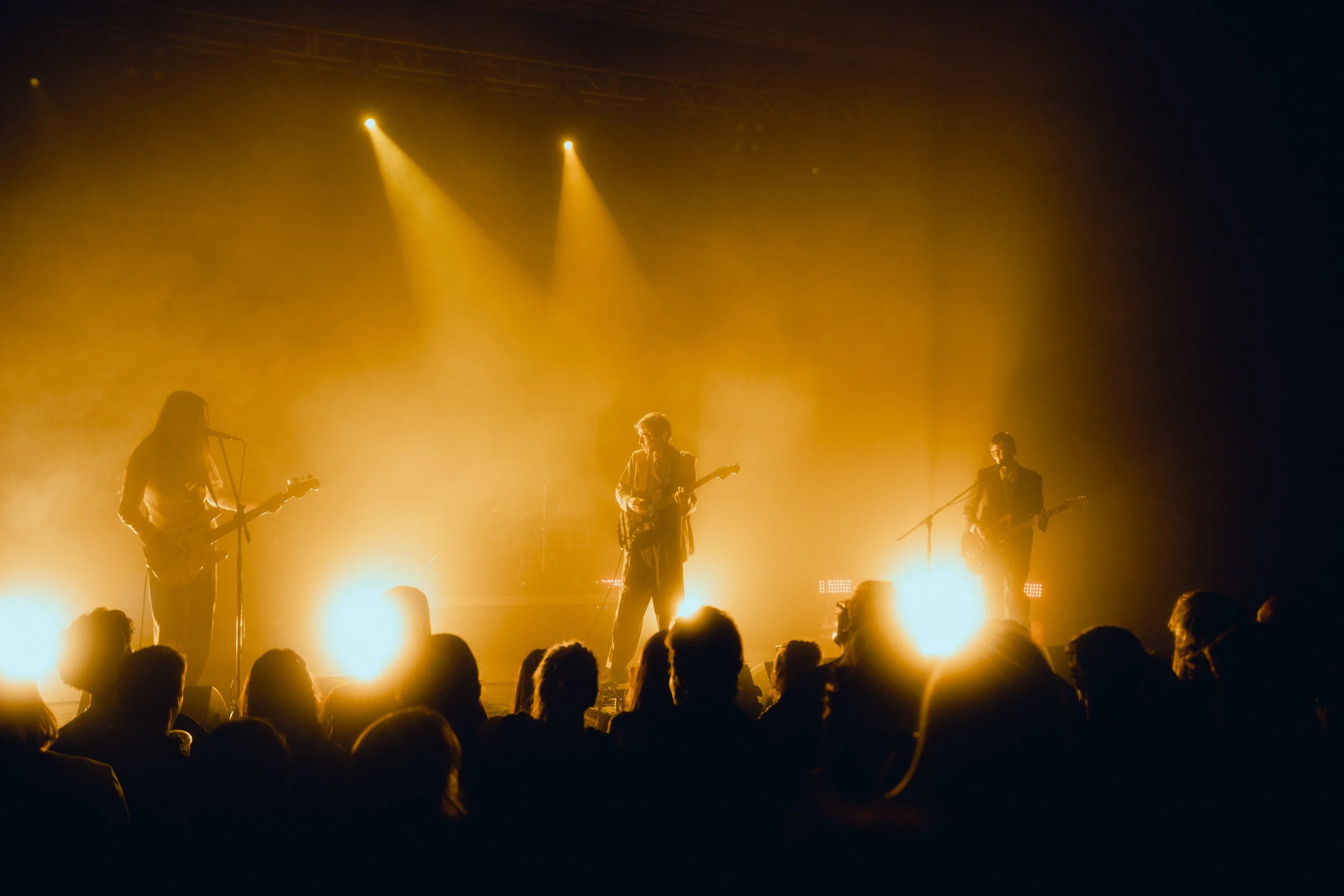
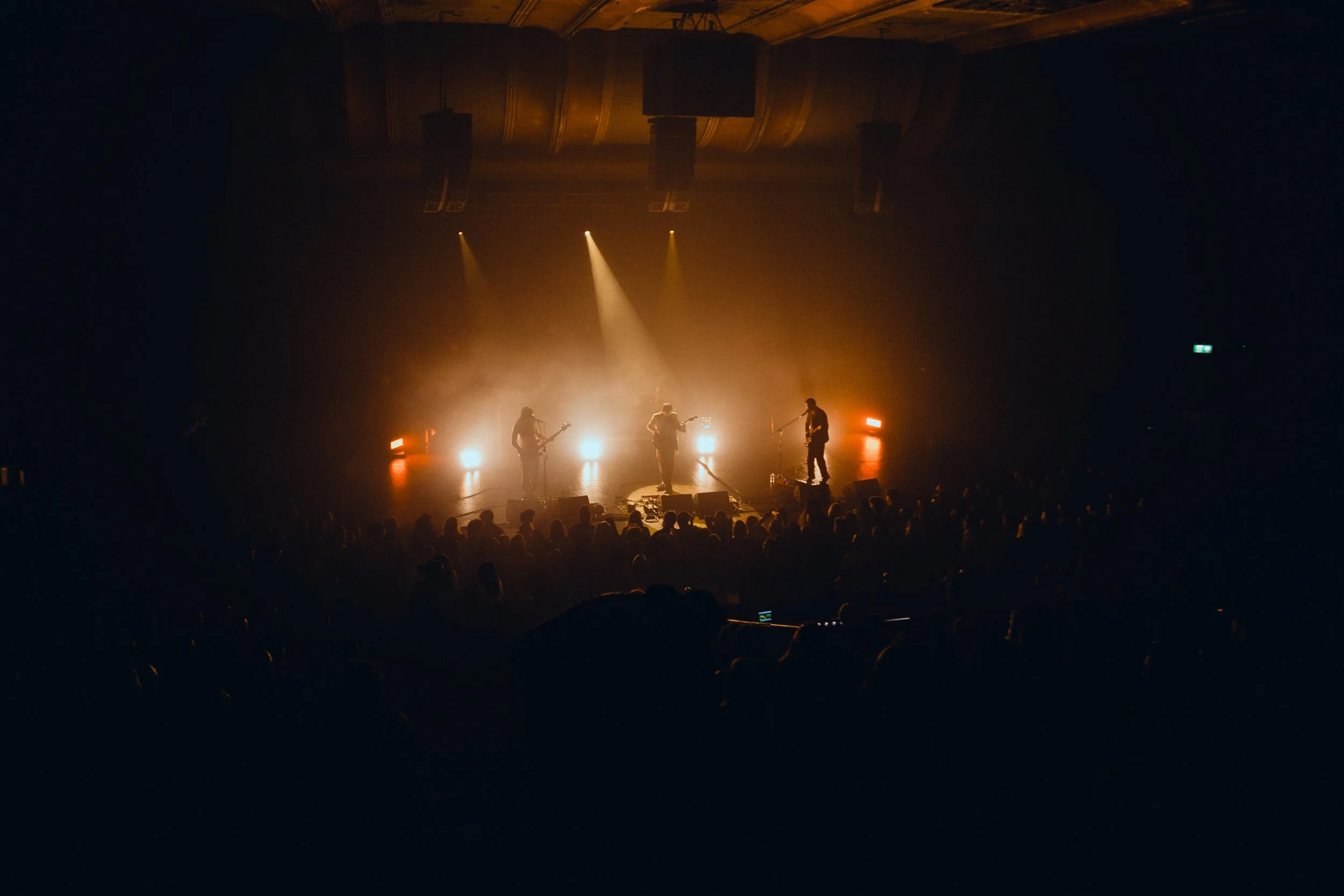
Finally, DIIV rounded out the evening with a moody burst of energy. Walking out in suits, the Brooklyn rockers immediately established a heavier, more melodic presence, opening with the powerful one-two punch of Horsehead and Under the Sun. The tracks got the front of the crowd jumping, paving the way for the crowd-surfing that would take place later in the set. Their performance also featured a cover of Charli xcx’s Playboy Bunny, a brilliant curveball that captured the spirit of Pitchfork: musicians unafraid to experiment, cross genres and keep audiences guessing.
The only real downside of the takeover was that with so much happening across so many venues, you inevitably had to make difficult choices. Tight turnarounds between sets meant there wasn’t always enough time to move between locations, and committing to one venue often meant missing out on an exciting performance elsewhere.
But perhaps that’s a reflection of just how much the festival had to offer. From rousing indie rock and instrumental soundscapes to shoegaze, electronica and heavier alternative noise, the lineup showcased an impressive breadth of musical talent. By celebrating the artists who are experimenting, challenging expectations and pushing music into new territory, it was a glorious reminder of the excitement that comes from discovering the musicians who are shaping what comes next.
All photos by Sam Huddleston.