
Leroy Clampitt on Creative Inspiration and Producing Pop Anthems
We sat down with the LA-based artist to talk about his new record label, recent solo projects, and what’s to come.
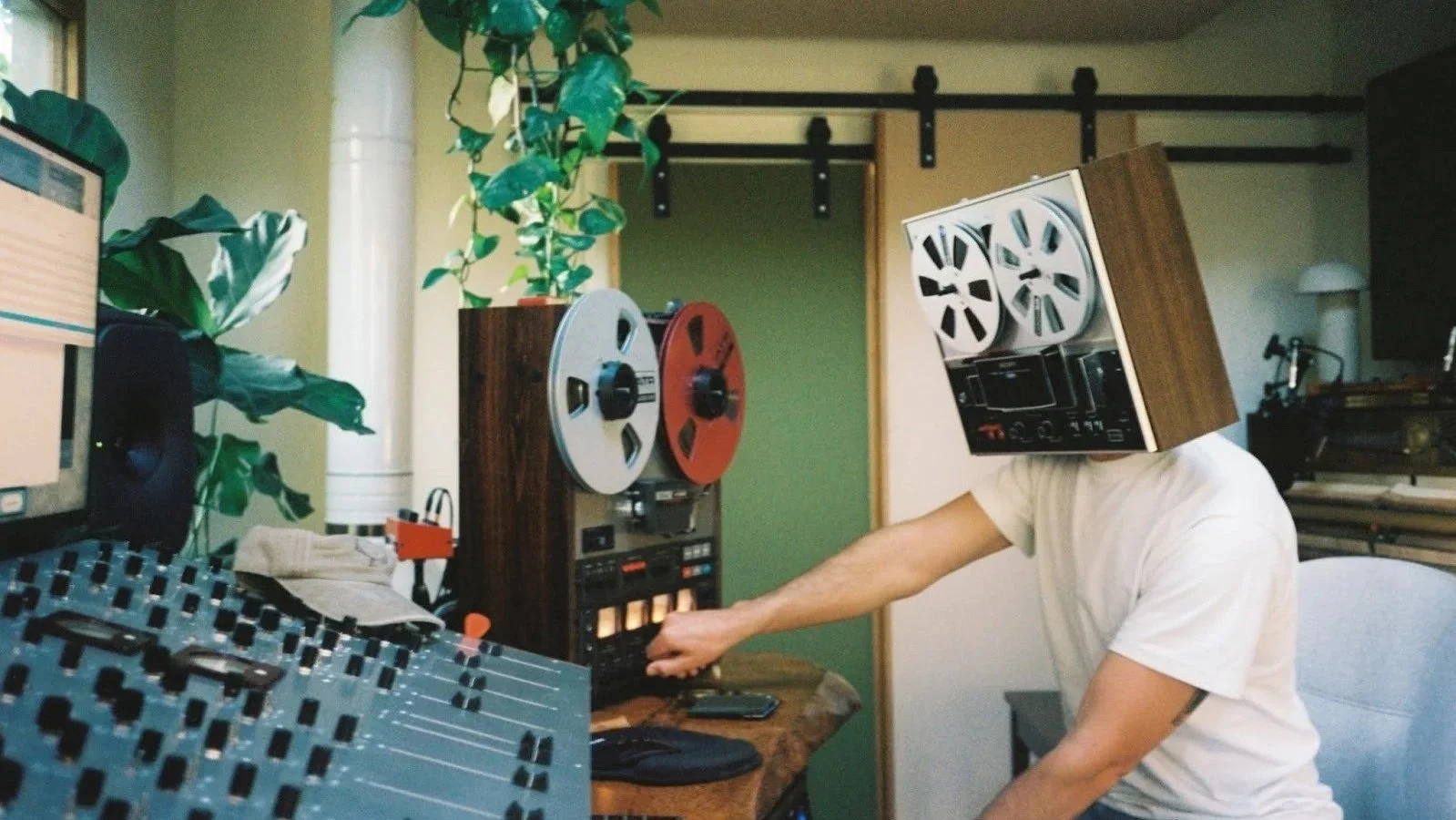
Photo: Press
Over the past few years, you’ve mainly been known as a producer. Have you made a solo album before?
I think I always wanted to be a producer for other people, but, of course, when you’re starting out, you’re not really good at it. I thought, as a way to practice, I would write some of my own songs. I was in bands before, so I was always a song writer. Back in 2015, I made an EP under an indie label. That was very much a solo project. From there, the production side of my career sort of became my main focus. I never took a hiatus from writing on my own, but it’s a lot of energy producing and figuring out how to put it out. It wasn’t until this album where I felt like it was good for my brain and creativity to go out on my own and make something for fun.
Was there a specific idea that led you towards making an album?
I had this vision of pulling a Bon Iver: going into the woods for a month and making a project. I work with a lot of people, like usually I’m in the studio with at least one other person. My job is pretty extraverted. So, I had this fantasy of going away and making some music. I was doing a project at a studio in Northern California, and the guy who owned the studio was like, ‘If you want to rent it for a month, I’ll give you a really good deal’. I was like, ‘This is my chance to go in on my own and put together some of the songs I’ve been writing’.
How is the process different between producing and making the whole album yourself?
When I work with an artist, the artist is always a co-producer on the song, so you’re always bouncing off each other, which I really love. A lot of the time, you’re in the dark, trying to find something new that you both like, which is cool, but, with the music I wanted to do, I had a very clear vision of how I wanted to do it. The bulk of the album was recorded in seven days, just because it was more or less ready to go. I never had any real barriers when I was doing it, because it was just me.
I loved your song I’m Going to Die; how did that song come about?
That one and a few others came in the same week, after I decided to go up north and have some time on my own. I just started singing ‘I’m going to die one day,’ and just followed the thought. I thought that was a pretty crazy line, but actually, it’s the least crazy line, maybe ever, because it’s just the most normal thing in the world.
Your other single is called Easy Daisy. What does that line mean?
There’s a lot of phrases in the album that mean a lot to me for random reasons, but ‘easy daisy’ is one of my favourite phrases in the world. I’m from New Zealand, and it was in a beer commercial. It’s kind of just a colloquialism in New Zealand if someone’s going a bit too hard or too fast. It’s like ‘hey, slow down’. I started that song with that line, and I [thought] I could actually personify Daisy, but maybe not. It’s a little unclear as the song goes on.
What can we expect from the rest of the album?
I think the album is very lyric and groove-focused. I listen to a lot of music you can dance to, and I like to think these songs are really groovy. I want people to listen and be able to groove to it. I think there’s some really interesting lyrical storytelling that spawns from being in a lot of pop songwriting sessions and chasing really specific stuff for really specific people. Crafting a part of their life into a song. I think a lot of my songs are personal, but done in a way that I don’t think makes a lot of sense for other people to do.
Is there a part of the album that you’re most proud of?
The next two singles are a great example of my personal music being a reflection of my job. I think I have the best job in the world. It’s really fulfilling and challenging. But for some reason, I still fantasise about having a job in an office and not having to worry about certain pressures of creativity. So, I have a song called Sick Day that’s basically about taking a day off, whatever your job is, and forgetting about your life for a day. I think that captures a really deep feeling that I have.
My final single is called Ricky Martin. That’s probably my most well-crafted pop song I’ve ever made, so I’m excited for that.
You’ve also started your own label recently. What’s that been like for you?
I never really wanted to get into the record business on that side of things. I really love focusing on my job — which is making the music — and I didn’t want to get into the business side of things. When I made my album, I started looking around for labels to help put it out. Everyone I talked to, I was like, ‘I actually think I could put together a better team’.I have a certain name for myself as a producer, and that’s attractive for certain labels, but I was attracting the wrong ones because my music is nothing like [what] I produce.
I was listening to a lot of Japanese records. There are so many great records that I listen to that were put out on the same label, and then if you go back to the label, it was created by one of the artists. There are so many different things where the people in the bands became artists, started their own labels, put out their own music, then produced other people’s music. It was just this cool ecosystem that you can map out, and I thought it would be a cool opportunity for me to start my own thing and slowly build it into something. Just all cool, good quality music. I started getting really excited about the idea of building something like that.
You’ve done so many massive projects over the last few years. Looking back, do you have a proudest project?
I’m so grateful for any opportunity I get in the pop music space, especially when anything is commercially successful. It allows me to make music that I love. The most recent example is definitely working on Lily Allen’s album; making the song Pussy Palace is a high achievement for me because I’m such a fan of hers. It was just such a special day making that song. I feel like each of the people in that room got to express themselves in their own ways and it became this magical thing that you can’t really describe. People obviously loved it. It’s really cool when it connects, you know?
What are you most looking forward to with your own studio and your own album?
I’ve got a really good balance at the moment with bigger pop stuff mixed with smaller indie stuff and my own stuff. I’d love for my career to always have that balance. If I was just constantly working on big pop stuff, my life would be a different experience. I’m really looking forward to my album and the second album that’s coming out of the Sorry Susan label. We’re going to be in the final stages of making that at the end of the month. I’m excited about the prospect of that album because it’s already brought a lot of joy to myself and my collaborators and I think, if we get it right, it can bring a lot of joy to people for years to come.
Is there anything else coming up that you want to hint at?
There’s going to be a music video for Sick Day and Ricky Martin. I’m really excited about the video for Sick Day. The vinyl is going to be really cool as well. Whenever I do any kind of endeavour, whether I have people help out creatively or not, I always like to try to do it myself. With my record and all of the art direction, it’s all done by myself. It’s just fun learning all that stuff.
I’ve been loving all of your visuals for this album. Was that your creative direction?
I just thought it would be super interesting to have a tape machine on my head. Being around a lot of famous people all the time, I think being famous is like the worst thing you could possibly be. I was like, ‘God forbid, this music does well and people know my face’. So, I thought I’d cover it up. Not in a strict way; I just thought, imagine being a kid and seeing a guy walking around in a suit with a tape machine on his head. It would be so cool to see.
It took a lot of work to build that head. I actually have five of them. I get really busy, but then I really need to take breaks, and whenever I build those breaks in, I find so much inspiration outside of music. I made making these heads my job for a week. The whole concept was if you have a tape machine on your head, you can just record stuff straight from your mind. That’s the idea.
Leroy’s debut album, Get Happy, is out August 14th via Sorry Susan.
You can also find this interview in print. Pre-order Issue 2 of The Indie Scene Magazine here.