Folk artist Sophia-Yau Weeks talks debut album ‘Misty Mountain’
The California-based singer and songwriter on the journey to her first album and finding her sound.
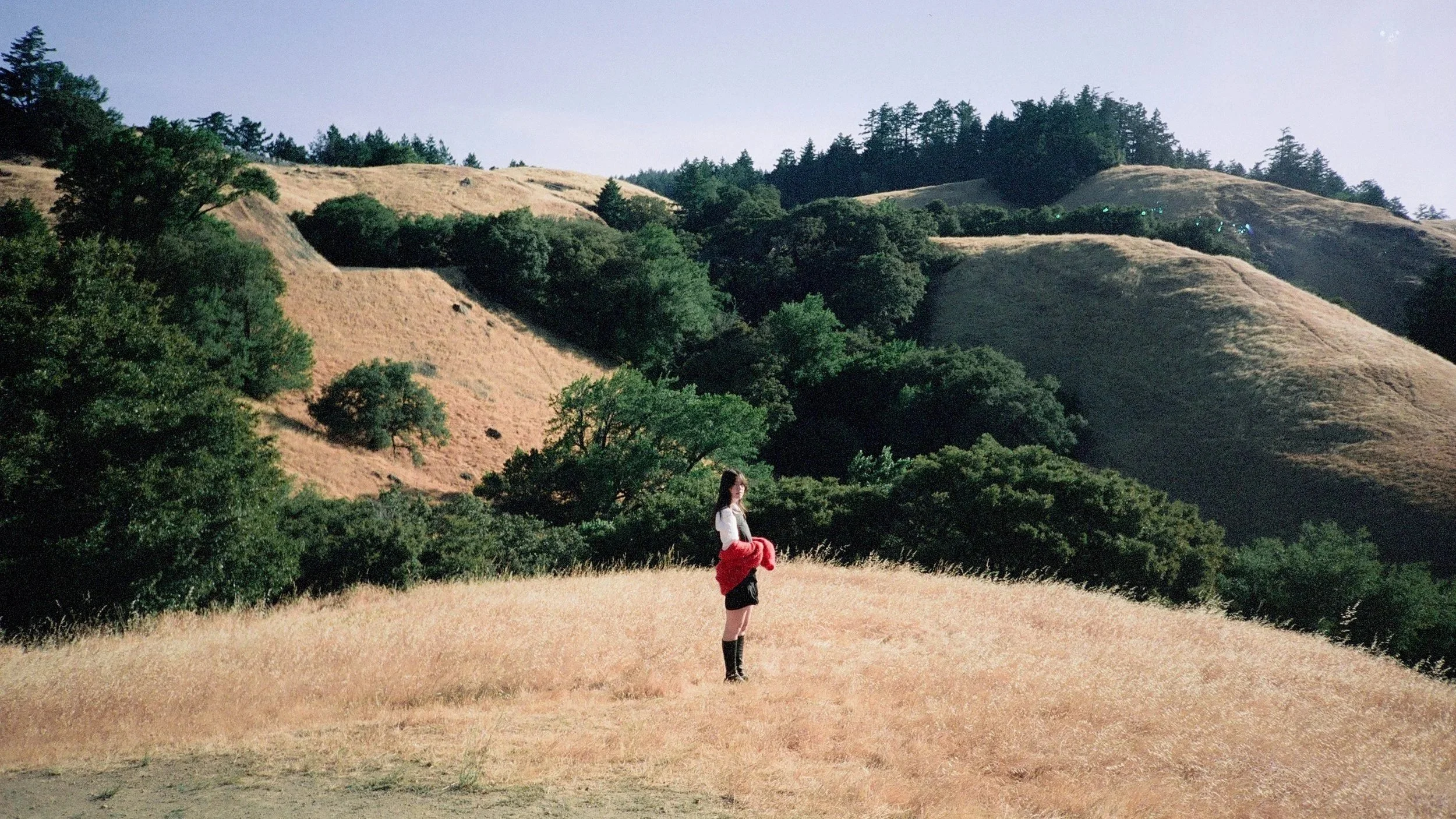
Photo: Cortney Morentin
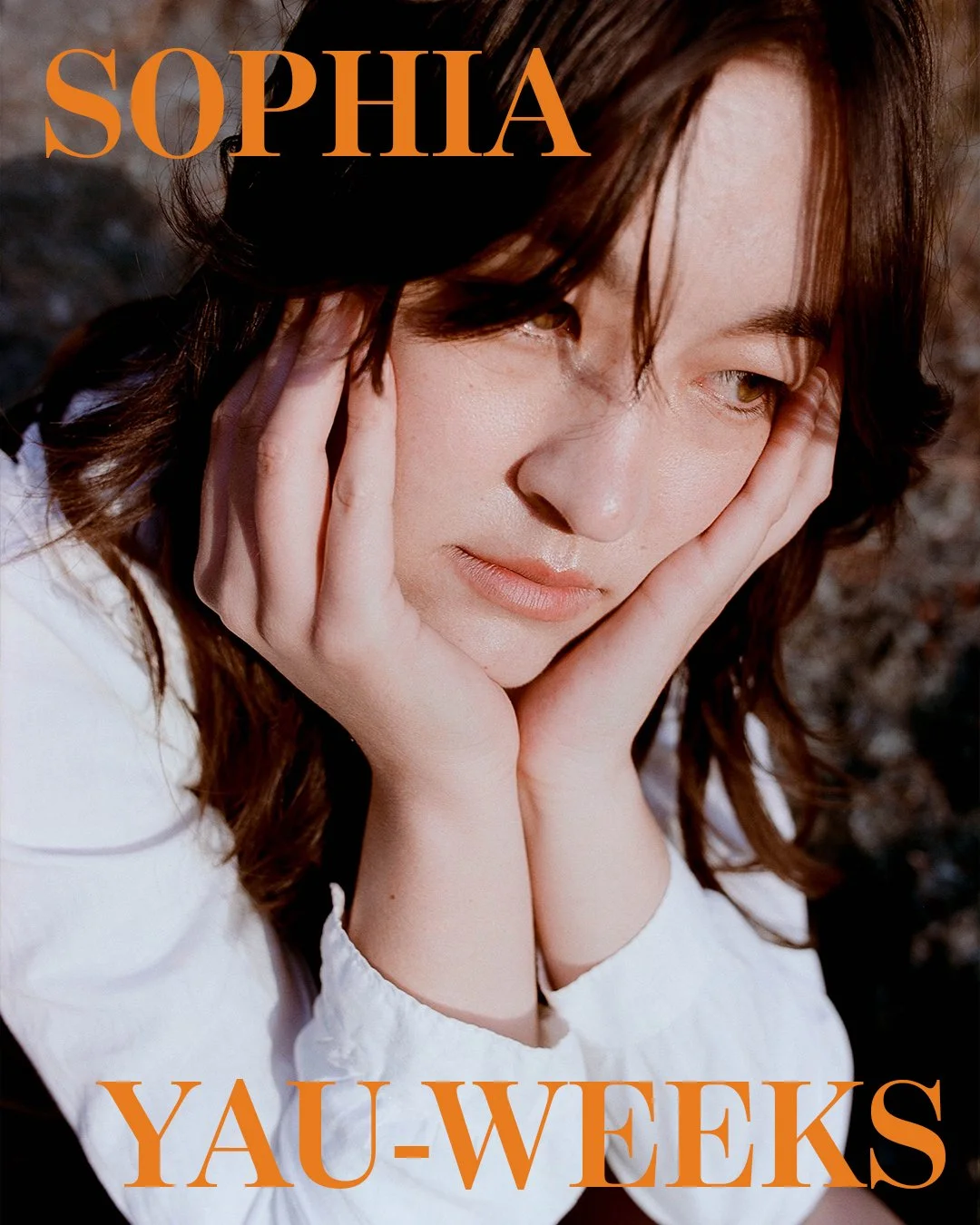
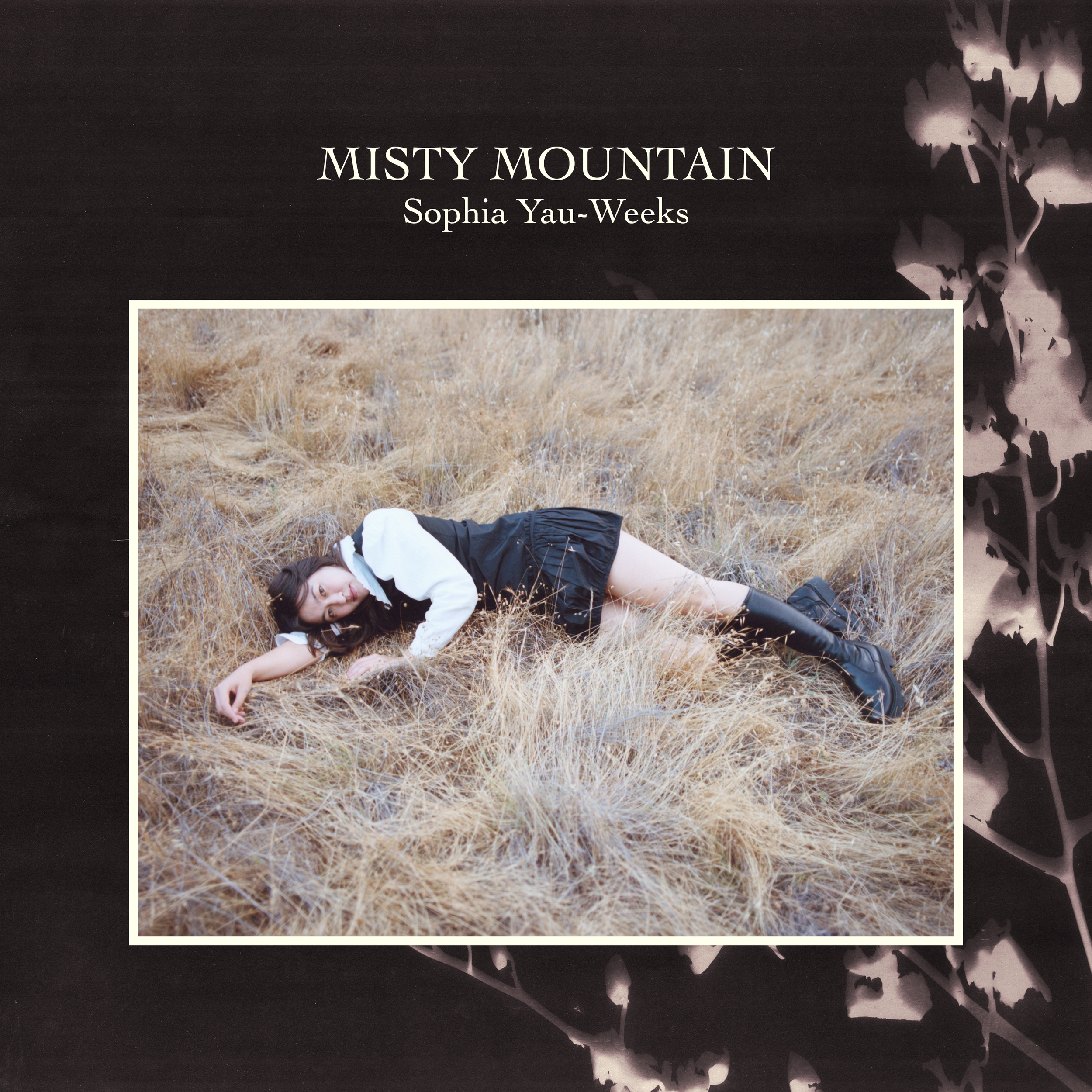
Sophia Yau-Weeks is pursuing music all on her own terms. After six years of dedicated songwriting, the artist has recently released her first folk album, Misty Mountain. Immersive and complex, the album encompasses multiple eras of Yau-Weeks’ life, from grief to isolation to heartbreak. We sat down with the singer to talk about all aspects of her debut album experience.
Firstly, do you want to tell everyone a bit about who you are and what the album is about?
I’m from Oakland, California. I grew up with music being a big part of my life but, for a long time, it wasn’t really a creative outlet. I grew up playing violin, singing in the school choir, playing in an orchestra, but it always felt like a means to an end. It was something my parents wanted me to do, and I was kind of always going through the motions.
Through doing a lot of classical music, it felt like I was internalising a lot of expectations to be perfect. It wasn’t until lockdown in 2020 when I started songwriting for the first time. I had started picking up guitar through college just to learn covers, and I went through a breakup in 2020, and I was like, ‘I guess I’m supposed to write a song about this, right?’ and I just fell in love with songwriting.
I moved to London and left the Bay Area in 2023. I guess when I started songwriting, I felt late for some reason. Like I should be putting out singles if I really want to be an artist or I should be performing more, writing more, and I wanted to get out of that productivity headspace, so I decided the next couple of years I’m going to sit down and write as much as possible, but without a specific outcome in mind, and, if I felt like I had a special body of work, then maybe I’ll try to release an album. So I was setting aside a lot of time to write, but also just writing to process life. That’s kind of how the album came to be.
You had a six-year journey in between starting to write and releasing the album. Do you feel like you’re a different person now compared to then?
At my core, I’m the same, but a lot has changed for me since then. I became immunocompromised in 2023, so the pandemic has certainly shaped a lot of my songwriting, my sense of self, [and] how I navigate the world. That informed the album a lot, so in that way I feel quite different than I was at the start. I’ve learned a lot since then and tried to slow down a bit. It was hard for me not to feel the pressure to have something out or feel late, especially because I started songwriting at the beginning of the pandemic. I never performed before then, so I felt like there was also this grief of what I might have missed out on by not finding my love for music sooner. That kind of grief still carries through a little bit.
When exactly did you decide to start writing towards an album?
I started with the intention of just writing. I feel like I was vaguely working towards an album, but I didn’t feel so certain because I wanted to feel confident in the songs. 2023 to 2024, I was really focused on songwriting and I had stripped-down demos, mainly acoustic guitar and vocals.
After that two-year period, my visa was expiring in the UK. It felt like a new chapter was starting with me moving back to California, so I thought, ‘Let me review all these songs’. I sent them to two of my close friends and my sister and got their feedback on all of the demos. With their feedback and my own intuitions, I narrowed them down and sent them to the producer, Miriam, who I worked with on this album and was like, ‘What do you think of this? Can we make an album?’ That’s where it started, then I recorded it once I moved back.
Did the first song you wrote for the album make the final cut?
It’s hard because I wasn’t fully writing with the intention of it being on the album, but the first song that I wrote that ended up making the album was Fly Away. [With] that song, I feel like in some ways I was trying to grant myself permission to pursue music more seriously or to release a project, so it felt important for me to have that one on there.
Did you have an idea beforehand of what you thought making and releasing an album would be like? Is it like how you thought it would be?
I feel like I’ve tried to detach from the outcome as much as possible and not cling onto it too much. It’s easy to get bogged down by numbers and streams and how people are responding. I’ve really been trying to focus on all of the connections that I’ve made along the way.
I recorded the album [in] early 2025 and, since then, I’ve just been focusing on the mixes, the visuals and the press, so I feel like I’ve been in manager mode. [It has] been really rewarding to touch every aspect of the album release, but also somewhat all-consuming.
Releasing it, I felt really proud. It had been a bucket list item for me, so I’ve been so happy with the release. I’ve had so many people say kind and lovely things about the record, which makes me so happy. At the same time, I kind of felt like ‘Okay, now what?’, you know? You work so hard towards the release, and then it happens and now I’m back to living, I guess, and hopefully writing some more. In that way, it feels somewhat anticlimactic but, overall, I’m really proud and it’s been great. I had a lovely release show, which was really fun. So, all in all, feeling good and happy.
Has this process given you another idea of something else musically you’d want to do?
The way I see it, I have periods of living and then processing. Or like the living informs the writing and the art, so I’m trying to take a breather, and then I’ll turn to music again to process life and emotions. I’m already starting to have room to do that as things come up in my day-to-day that I want to work through through music, so I’m excited to have space to do that again without the pressure of a timeline.
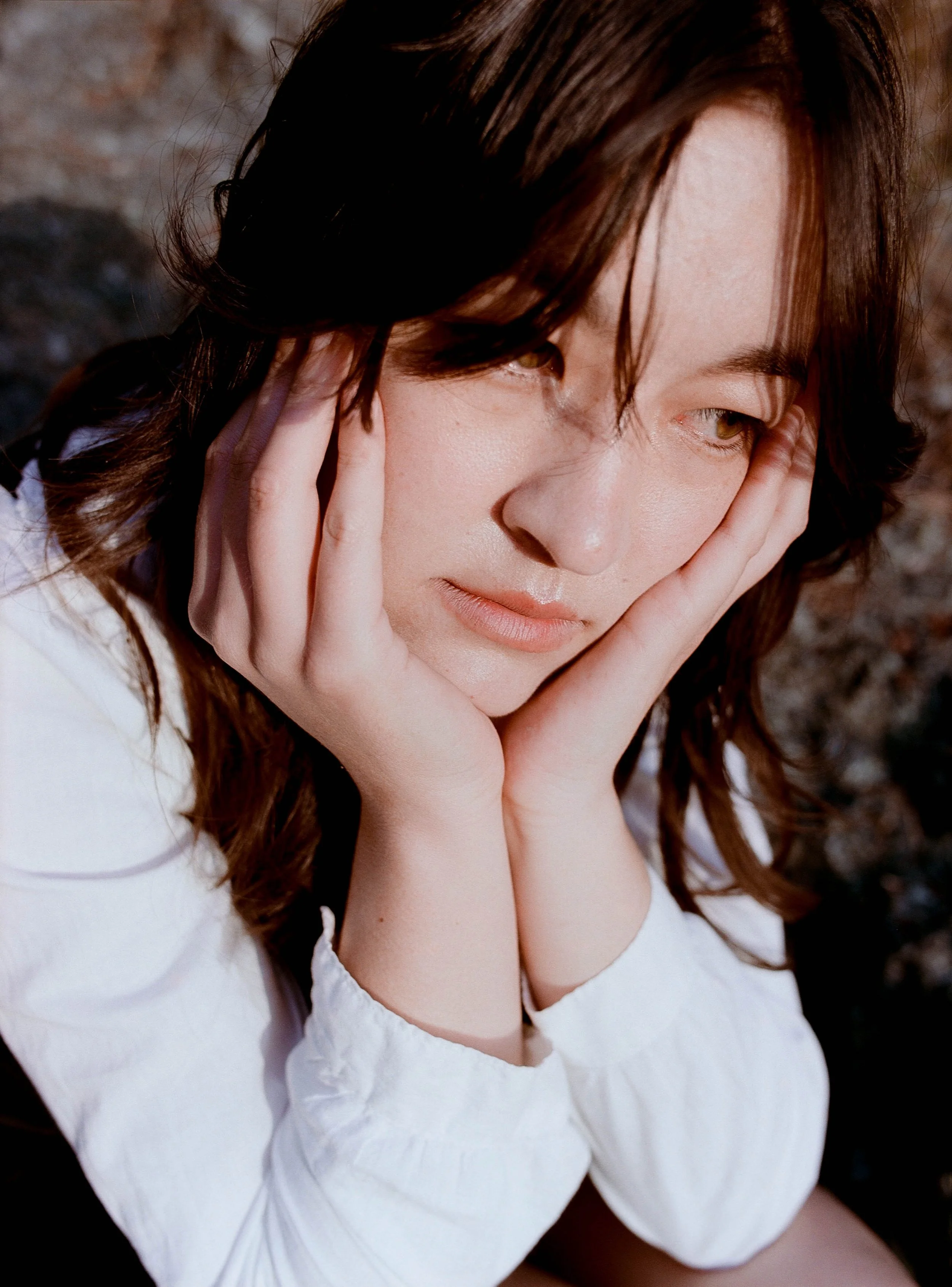
Photo: Cortney Morentin
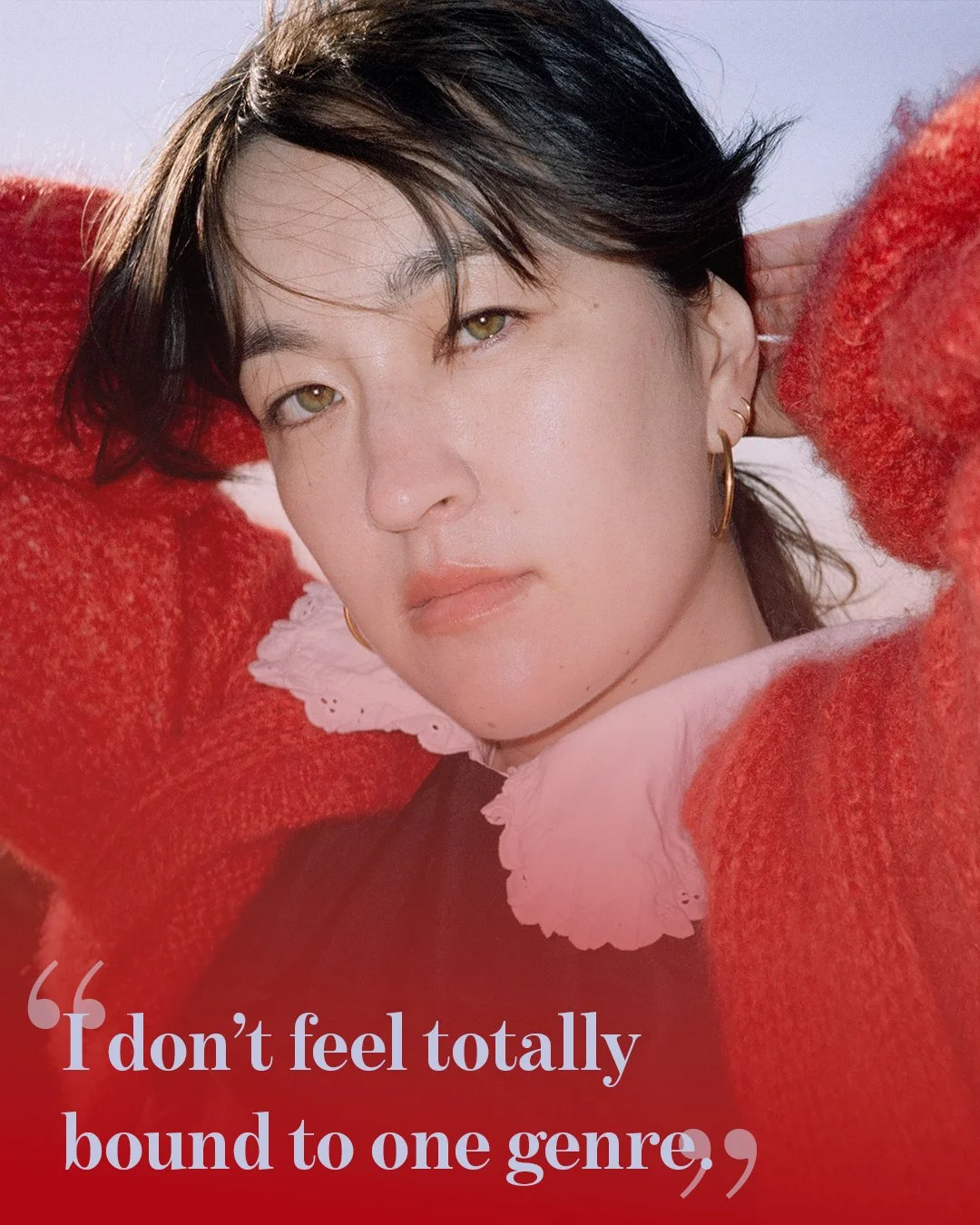
Sonically, I feel like I want to start exploring new sounds. I don’t totally know what direction I want to go in. I feel like I have so many ideas. It’ll just be about honing in on one. I don’t feel totally bound to one genre. I’m hoping to explore new things musically and maybe new instrumentation. I think a lot of my writing has been me and my acoustic guitar, so I want to break out of that a little bit to see if it can expand my music sonically.
What’s something outside of music that you want to do soon?
I am an avid knitter and crocheter, and I feel like I’ve put all of my projects on the back burner the past year since I’ve been so focused on music, so I’m excited to get back into some crafting. I feel like a lot of times, I have a ton of side projects that help me stay creative, but I still feel mostly drawn back to my music project.
I wanted to talk to you more about your sound. You have this very open, folky type of sound. Is that always a style you were drawn towards? What was the process of finding your sound?
I still feel like I’m finding it. That’s just something I feel like I’m figuring out over time. With this record, I wanted the songs to reflect how they were written and have all of the added instrumentation to feel cohesive, rather than dumping on as much as possible; I wanted
everything to feel essential. I guess I naturally fell into the folkier sound, maybe because I’ve been writing with just my acoustic guitar.
I feel like I didn’t really grow up listening to too much folk music. That was something that I fell in love with more in college. I feel like maybe those influences naturally seeped their way in, but I didn’t necessarily have the intention to land in this specific genre; it kind of just flowed.
Your first two singles were also the first two songs on the album. Why was it important that those two songs were the introduction? What do you think those two songs say about the album?
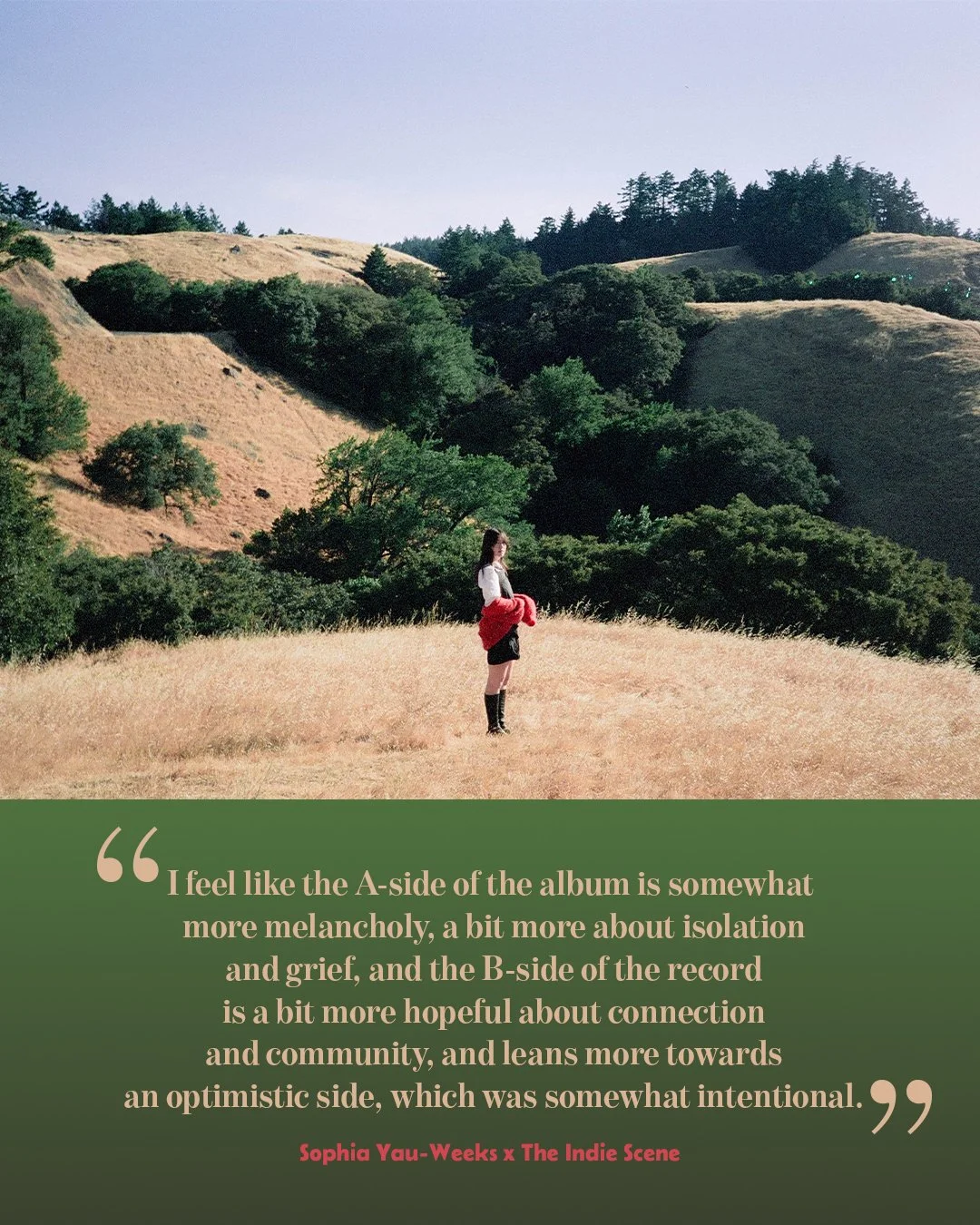
In some ways, [in] creating the order for the album, I wanted it to tell a story. I feel like the A-side of the album is somewhat more melancholy, a bit more about isolation and grief, and the B-side of the record is a bit more hopeful about connection and community, and leans more towards an optimistic side, which was somewhat intentional.
I wouldn’t say having them specifically in the first and second spots on the record was extremely intentional with the fact that they were singles, but I think Misty Mountain sonically transitions you into the world of the album, which I really wanted. How it opens with birdsongs and the expansive electric guitar parts. I felt like it was a good introduction into the album. Nobody’s Laughing I feel like sets the tone around the grief and isolation quite quickly. I think that’s what went into the thought process of having those be the first two tracks on the record.
Is there a particular song on the album that has a special place in your heart right now?
I really love the production of The Rain, so I think that one might be my current favourite. I just love the production and the vocals on that song, and I think it’s somewhat subdued, so maybe it isn’t a song that people would naturally gravitate towards on the record, but it’s one that I’m really proud of.
Is there anything else with the album that you want to shout out?
I have vinyl and CDs for purchase and other merch! You can follow me on Instagram for when I release show dates.
Misty Mountain is out now.
You can also find this interview in print. Pre-order Issue 2 of The Indie Scene Magazine here.